

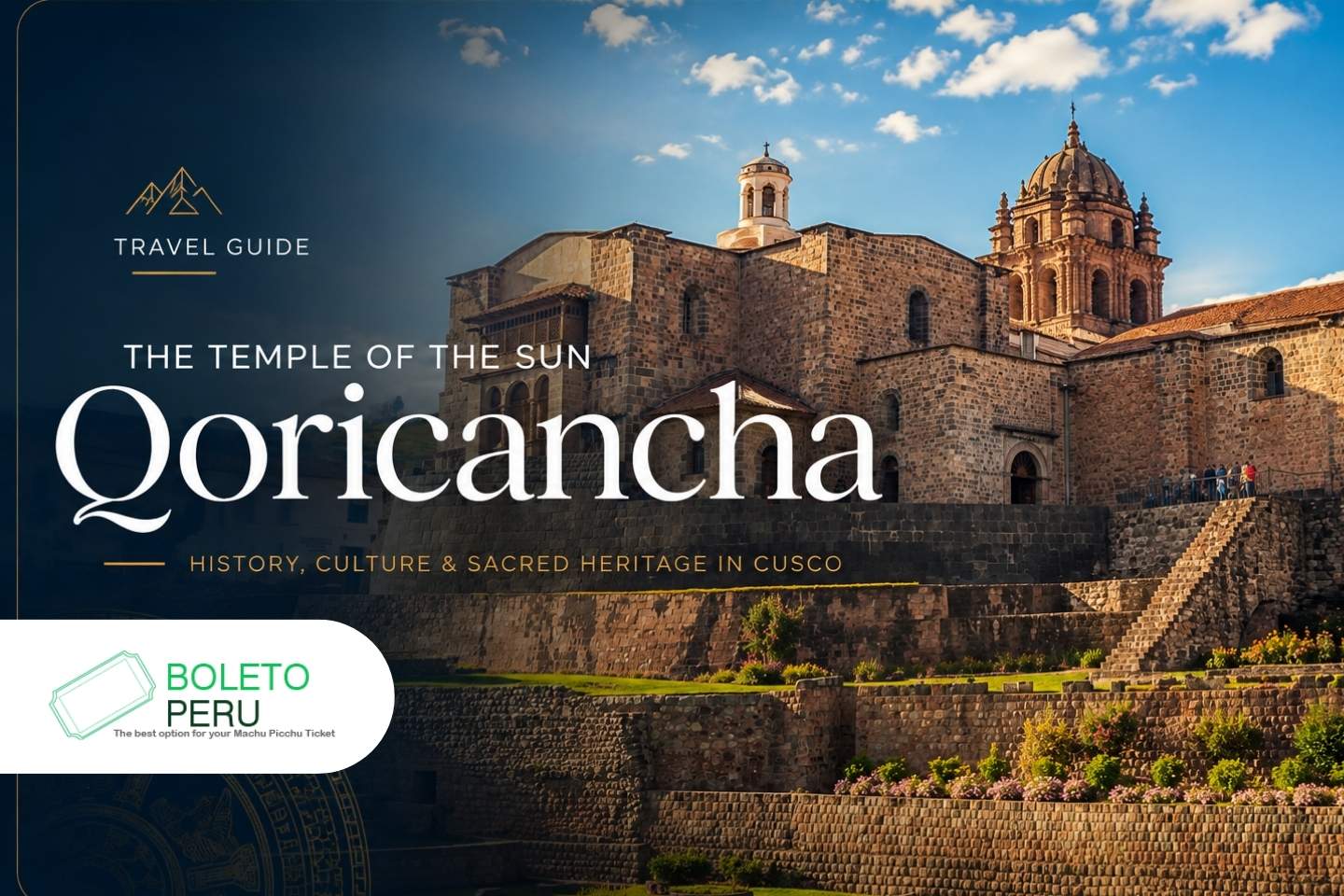
In the heart of Cusco, at the point where the ancient Inca capital once radiated its four great roads, stands Coricancha — the most sacred temple of the entire Inca Empire. Dedicated to Inti, the Sun God, this was the religious and spiritual center of Tahuantinsuyu, the place where the Inca elite came to honor their most powerful deity with walls once covered in solid gold.
You may also see this site referred to as Qoricancha, Koricancha, or by its original name, Inticancha (“Temple of the Sun”) — all variants of the same Quechua word, roughly translating to “golden enclosure.” Throughout this guide, we’ll use Coricancha, the most widely recognized spelling.
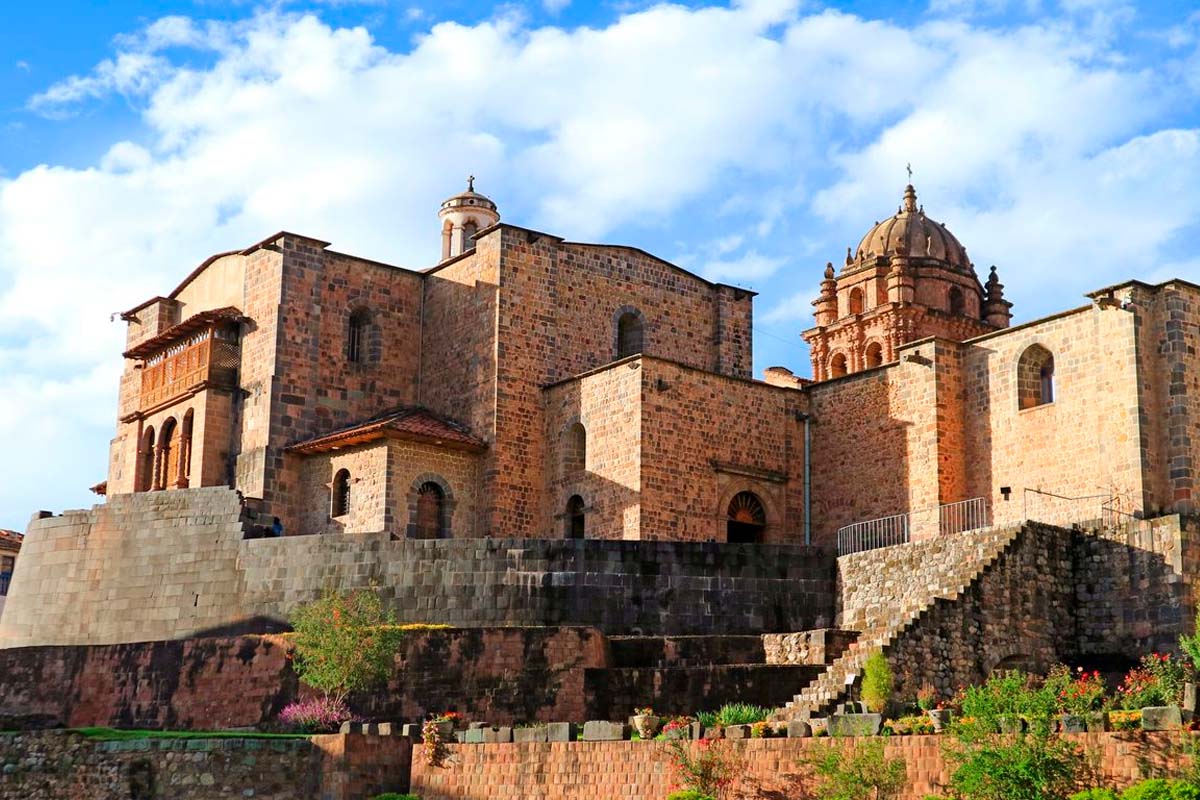
Today, Coricancha is one of the best-preserved examples of Inca stonework in the world — and one of the most fascinating places to visit in Cusco. Its massive Inca walls still stand as the foundation of the colonial Church and Convent of Santo Domingo, built directly on top of the temple after the Spanish conquest. Walking through it means walking through two civilizations at once: the precision of Inca masonry beneath the baroque architecture of Spanish colonial Peru.
In this guide, we’ll cover everything you need to know before visiting: the temple’s history from pre-Inca times to the Spanish conquest, the eight sacred chambers that once made up the complex, its legends and living traditions, practical visiting information for both the site museum and the convent, and answers to the most common questions travelers ask before planning their trip.
Quick Facts |
|
|---|---|
| 📍 Location | Av. El Sol, Historic Center of Cusco (junction with Santo Domingo Street) |
| 🕐 Hours | Mon–Sat: 8:30 AM–5:30 PM · Sun: 2:00 PM–5:00 PM |
| 💵 Admission | Included in Boleto Turístico (Circuit 2) or ~15 soles (US $5) direct entry |
| ⏱️ Suggested visit time | 45 minutes – 1 hour |
| 🚕 How to get there | 5–10 min walk from Plaza de Armas, or 15–25 min taxi from the airport |
Location
In the heart of Cusco’s historic center, at the junction of Avenida El Sol and Santo Domingo Street, sits Coricancha — the former Inca Sun Temple. This same site is home to the modern Plaza de Santo Domingo, which forms part of the grounds of the temple and monastery of the same name.
Its central position makes it one of the most convenient major landmarks to reach in Cusco — an easy walk from the Plaza de Armas, and a natural starting or ending point for exploring the rest of the historic center.
What Does “Coricancha” Mean?
The name Coricancha comes from two Quechua words: “Qori” (or “Cori” in its Hispanicized form), meaning gold or worked gold, and “Kancha”, meaning enclosure or walled space. Together, they form “the golden enclosure” — a fitting name for a temple whose walls were once entirely covered in sheets of gold.
For the Incas, Coricancha was far more than a religious building. It functioned as the geographic, political, and spiritual center of Cusco, and by extension, of the entire empire. All four suyus (regions) of Tahuantinsuyu were conceptually connected to this single point, and important roads (ceques) radiated outward from the temple across the landscape, linking it to sacred sites throughout the empire.
At the center of it all was devotion to Inti, the Sun God — the highest deity in the Inca pantheon and the mythical ancestor of the Inca ruling family. To pay homage to Inti here was to connect directly with the divine source of the Inca dynasty itself, which is why Coricancha held a level of sacredness unmatched by any other temple in the empire.
History of Coricancha
-
Origins: Inticancha and the Ayamarcas
Research suggests that a temple existed on this site even before the rise of the Inca Empire. Its original name was Inticancha (“Temple of the Sun”), and its earliest walls are believed to have been built by the Ayamarcas, a pre-Inca ethnic group, around the 13th century.
-
Pachacutec’s Transformation (15th Century)
Everything changed in the 15th century, when the Inca emperor Pachacutec assumed power and launched a sweeping beautification of Cusco. As part of this transformation, Inticancha was renamed Coricancha and rebuilt on a monumental scale: its walls — considered the finest stonework in the entire empire — were expanded and clad in sheets of gold, silver, and precious stones, in order to give the site a majesty befitting its role as the empire’s most sacred enclosure.
The rebuilt temple housed shrines to multiple Inca deities, though the most important by far was the shrine to Inti, the Sun. Chroniclers describe it as surrounded by gold, while the neighboring Temple of the Moon was lined in silver — a distinction that reflected the sun and moon’s status as the two most revered forces in Inca cosmology.
-
The Temple During Inca Daily Life
Access to Coricancha was strictly controlled. Only Inca nobility and religious officials were permitted inside the temple itself. The rest of the population worshipped from the outer gardens, leaving offerings of gold utensils, spondylus shells, and coca leaves.
Over time, restrictions eased slightly: ordinary citizens were eventually allowed inside the grounds, but only under strict conditions — barefoot, with an empty stomach, and carrying a bundle or weight on their back as a public act of humility before the gods.
-
The Spanish Conquest and Looting
The arrival of the Spanish in the 16th century brought this era to a violent end. Coricancha was systematically looted, its gold stripped from the walls. Some chroniclers suggest that a portion of this gold was sent to Cajamarca as part of the ransom paid for the Inca emperor Atahualpa.
The temple itself came under the ownership of Francisco Pizarro, who later assigned it to the Dominican religious order.
-
Construction of Santo Domingo Convent
The Dominicans built the Church and Convent of Santo Domingo directly on top of Coricancha’s Inca foundations, replacing Inca worship with Catholic tradition in the same physical space. Construction took roughly a century to complete.
Over the following centuries, the site was tested repeatedly by earthquakes — including major ones in 1650 and 1950. Each time, the colonial structure suffered significant damage and required reconstruction, while the Inca stonework beneath it remained intact, a lasting testament to the precision of Inca engineering.
The 8 Sacred Chambers of Qoricancha
- Temple of the Sun
The most important structure in the entire complex, the Temple of the Sun occupied more than half the width of what is now the Church of Santo Domingo. According to Garcilaso, its walls were covered in gold plates, with a large solar disc — cast in gold thicker than any other plate in the temple — dominating the space. The embalmed bodies of former Inca rulers, considered “children of the Sun,” were kept here, seated on golden chairs and tables. Its western end faces present-day Av. El Sol, while its eastern end reaches the church’s current atrium. - Temple of the Moon
Positioned close to the Temple of the Sun — since the Moon was regarded as the Sun’s wife — this chamber was lined with silver rather than gold, including a silver representation of the Moon itself. It held the mummies of the Coyas (Inca queens), arranged by antiquity. Roughly half of this temple was demolished by the Spanish to build the nave of Santo Domingo; what remains occupies part of the western side of Qoricancha’s inner courtyard. - Temple of Venus and the Stars
Separated from the Temple of the Moon by a narrow passage, this temple was dedicated to Venus — known to the Incas as Chaska (“star”) — along with the Pleiades and the rest of the night sky. Historians believe it served as a space for divination and for observing festivals or ceremonial sacrifices held in the adjoining courtyard. - Temple of Illapa (Lightning)
Illapa, or Chuki Illapa, represented lightning and thunder simultaneously — a deity feared and respected for its power over storms. Located directly across from the Temple of Venus, this chamber is distinguished by three simple, slightly trapezoidal doorways and a window on each side wall, both hallmarks of classic Inca architecture. - Temple of K’uychi (Rainbow)
Sharing the same architectural style as the Temple of Illapa, this chamber honored K’uychi, the rainbow, believed by the Incas to originate from the Sun itself. Part of this temple was demolished to make way for buildings of the Dominican convent; what remains sits north of the Temple of Illapa, facing the Temple of the Moon across the courtyard. - Intipampa
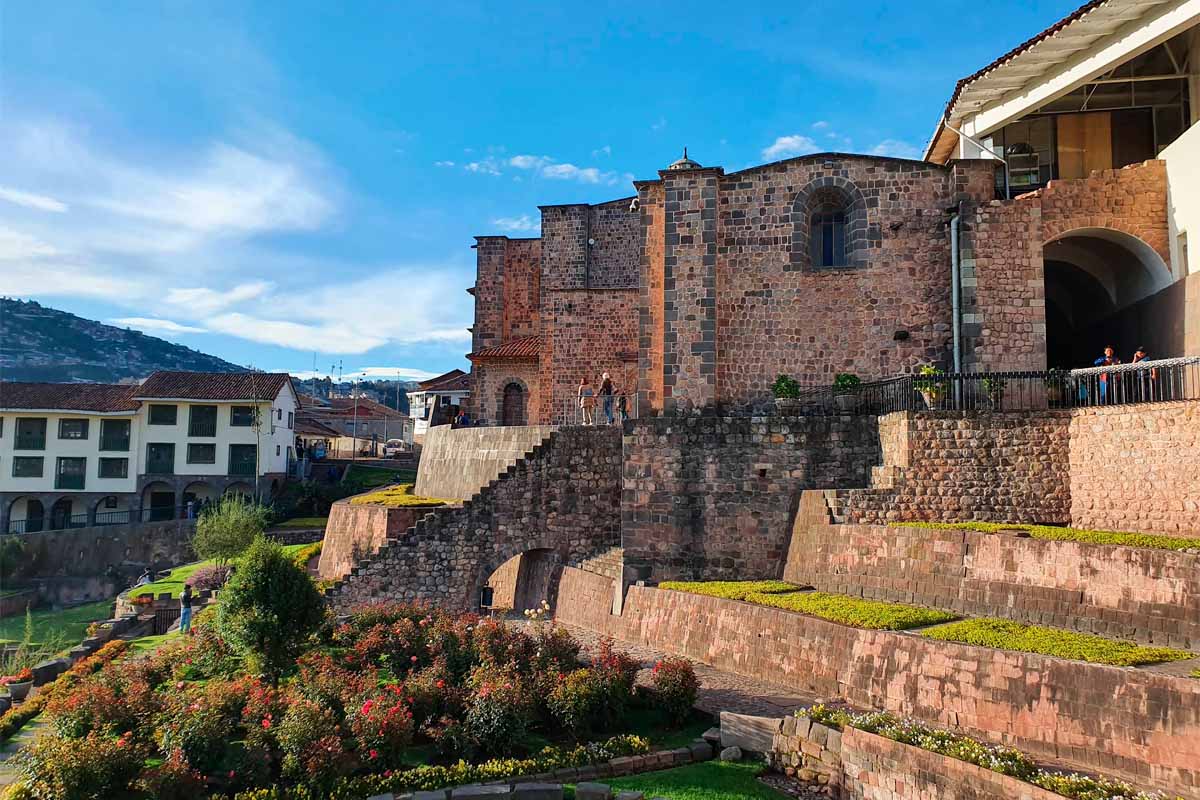
Meaning “Plain of the Sun,” Intipampa was the open plaza in front of the temple complex — mirroring a layout found in sacred sites across many ancient cultures. It served as the gathering point for Inca nobility, their attendants, and dancers during major religious festivals before processions moved into Qoricancha itself. Today, this space corresponds closely to the modern Plaza de Santo Domingo, which has changed remarkably little in size and boundaries. - The Solar Garden
Perhaps the most astonishing chamber for early Spanish chroniclers, this space served as the great repository of offerings brought by nations across Tahuantinsuyu to honor the Sun God. According to historical accounts, these offerings included life-size representations of plants and animals crafted entirely from gold and silver — so numerous that they filled the terraces, leading the Spanish to name it “The Solar Garden.” During colonial times, it was repurposed as a garden for Dominican friars. It sits on the western side of Qoricancha and can be viewed in its entirety from Av. El Sol. - The Sacred Fountains
Five stone fountains once stood throughout the Qoricancha complex, their water sources kept as closely guarded secrets. Beyond their practical function, the fountains carried deep religious significance and were adorned with precious metals. Today, visitors can still see one surviving fountain with distinctive octagonal corners in the courtyard of Qoricancha.
Facts and Legends of Qoricancha
The Legend of the Sun Disc
The Rescue of Atahualpa
Living Traditions: Inti Raymi & Qhapaq Raymi
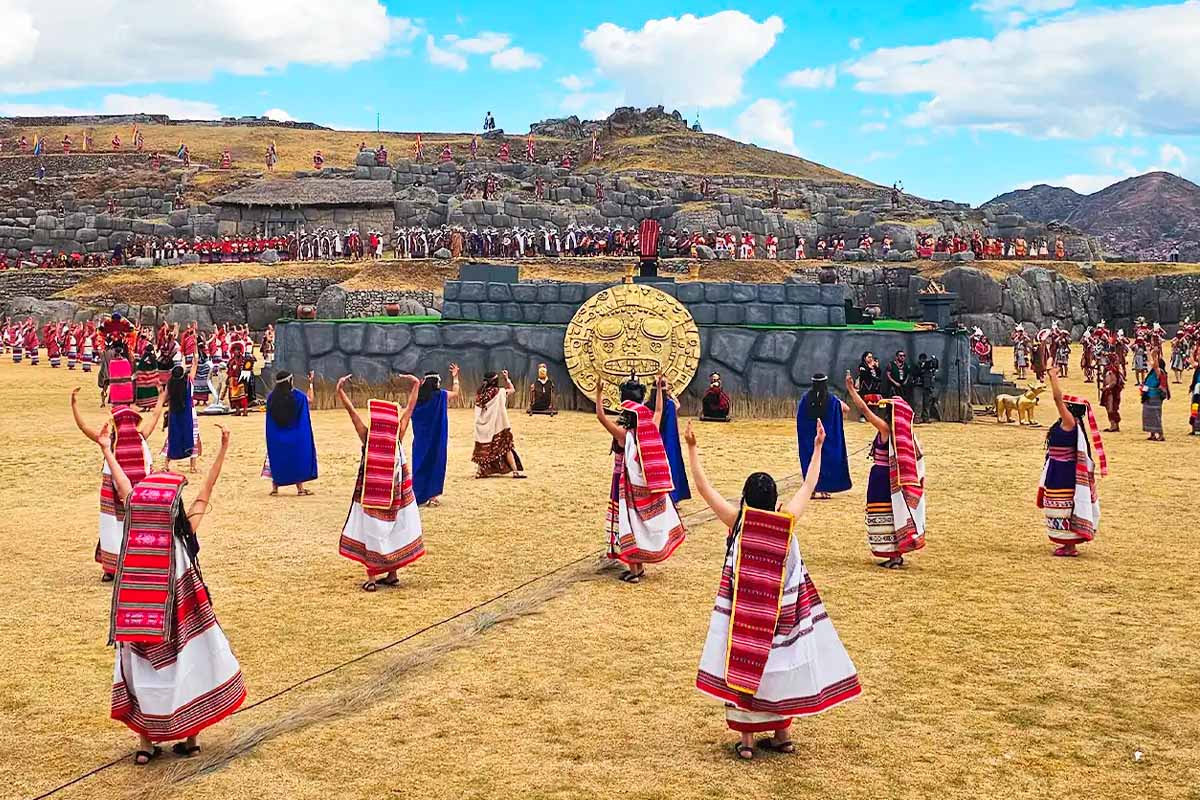
Inti Raymi: The Festival of the Sun
Qhapaq Raymi: Celebrating the Summer Solstice
Coricancha Site Museum
- Monday to Saturday: 8:30 AM – 5:30 PM
- Sunday: 2:00 PM – 5:00 PM
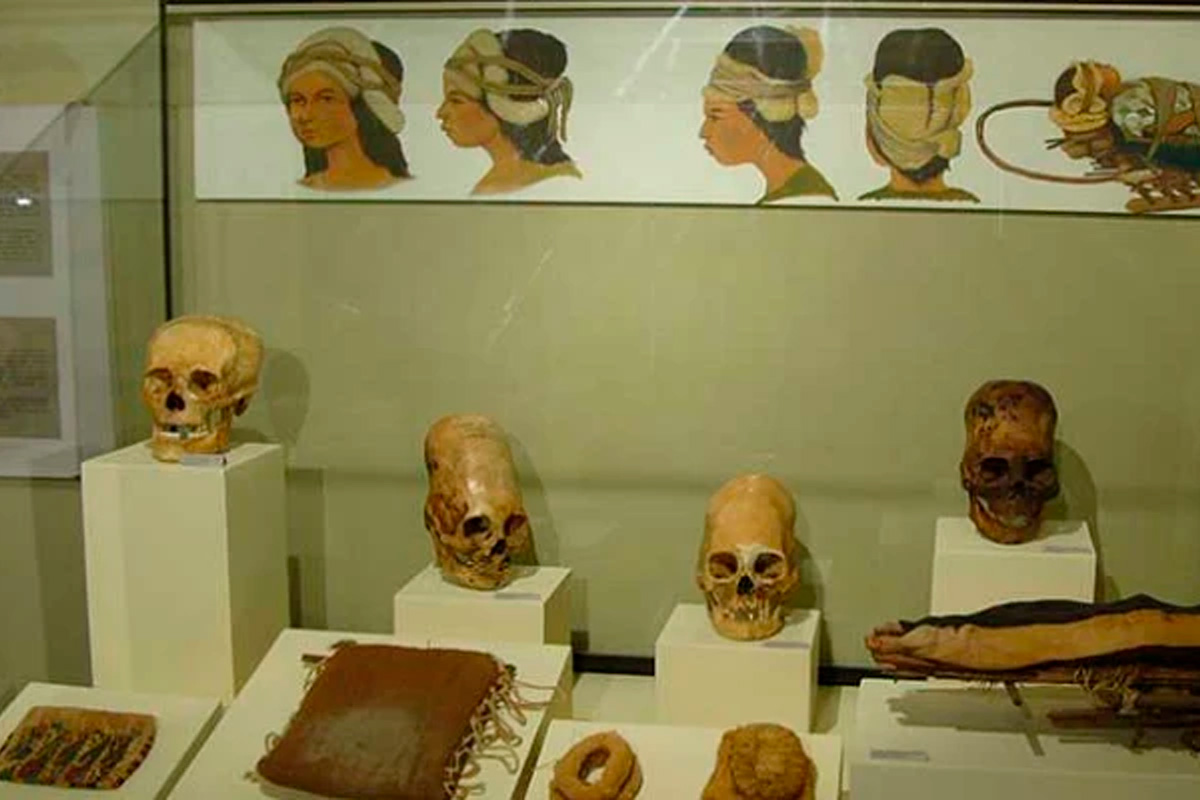
What You’ll See
- Ceramic pieces
- Ceremonial vessels (keros)
- Stone tools used in warfare
- Seashell ornaments
- Royal Inca mummies
- Inca textile mantles
- Skulls
- Wooden household tools
- Knitted alpaca wool ponchos
Convent of Santo Domingo
What to See
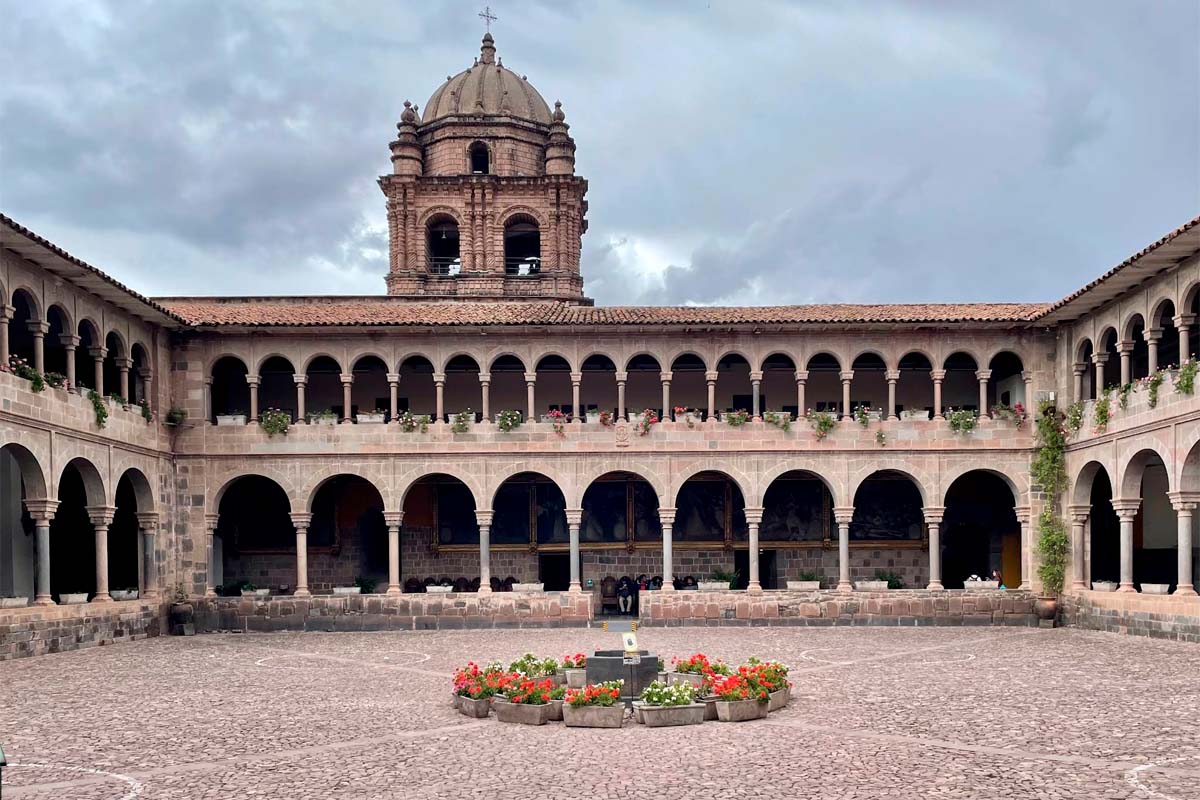
- The Baroque exterior architecture of the church
- Colonial-era canvases from the Cusco School, including The Life of San Vicente Ferrer and The Life of Santo Domingo de Guzmán
- The stone bell tower, considered a masterpiece of colonial-era stonework
Visiting Hours & Entrance
- Entrance is free during mass hours (7:00 AM and 7:00 PM).
- Outside mass hours, admission costs approximately 15 soles (US $5), payable at the door.
- Local guides are typically available at the entrance to offer a guided tour covering the architecture, colonial artwork, and history of the site.
How to Get to Coricancha
Coricancha sits right in Cusco’s historic center, which makes it one of the easiest major sites in the city to reach.
- From the Airport: Alejandro Velasco Astete International Airport (CUZ) is about 5–6 km from the city center. A taxi to the Plaza de Armas area takes roughly 15–25 minutes, depending on traffic, and costs approximately 15–25 soles (US $4–7). Cusco taxis don’t use meters, so agree on a price before getting in — official taxi counters inside the arrivals hall are the safest option.
- From Plaza de Armas: Coricancha is an easy 5–10 minute walk, simply following Avenida El Sol downhill until you reach the entrance. This is the most popular route, as it passes shops, cafés, and colonial architecture along the way.
- By Taxi within the City: If you’re coming from elsewhere in Cusco, local taxi rides within the historic center typically cost 5–10 soles and take just a few minutes.
Best Time to Visit Coricancha
Best hours to avoid crowds: Coricancha tends to be busiest mid-morning, when most guided city tours arrive (typically between 10:00 AM and 1:00 PM). For a quieter visit, arrive right at opening (8:30 AM) or after 3:30 PM.
Best light for photos: The late afternoon sun (around 4:00–5:00 PM) casts warm light across the Inca stonework and the courtyard, making it an excellent time for photography. Mornings offer softer, more even lighting for capturing the contrast between Inca masonry and colonial architecture.
Best season: Cusco’s dry season (May to October) offers the clearest skies and the least rainfall, making it the most popular time to visit — this also coincides with Inti Raymi in June, when Coricancha plays a central role in the city’s festivities. The rainy season (November to April) sees fewer crowds and lush green surroundings, though afternoon showers are common.
Coricancha vs. Other Cusco Ruins
- Sacsayhuaman: A massive hilltop fortress with some of the largest stone blocks in Inca architecture, offering panoramic views over Cusco. Unlike Coricancha’s compact, temple-focused layout, Sacsayhuaman is an open-air complex best explored on foot over 1–2 hours.
- Qenqo: A smaller ceremonial site carved directly into limestone bedrock, believed to have been used for ritual and astronomical purposes. It’s a quick stop (20–30 minutes) usually combined with Sacsayhuaman.
- Puka Pukara: A former Inca checkpoint and military outpost, smaller in scale but historically significant for controlling access into Cusco.
Frequently Asked Questions
- How long does it take to visit Coricancha?
A typical visit to Coricancha, including both the site museum and the Convent of Santo Domingo, takes about 45 minutes to 1 hour. If you’re joining a guided tour, expect to spend slightly longer, since guides usually explain the history of each chamber in detail. - Is Coricancha included in the Cusco Tourist Ticket?
Yes. Coricancha is included as part of Circuit 2 of the Boleto Turístico (Cusco Tourist Ticket). If you don’t plan on visiting other sites on the ticket, you can also buy a direct entry ticket at the door. (Ver sección “Opening Hours & Admission” más arriba para el detalle de precios.) - Can you take photos inside Coricancha?
Yes, photography is generally allowed in the outdoor courtyards and Inca stonework areas of the site museum. However, photography is typically restricted inside the Church of Santo Domingo, in line with most religious buildings in Cusco, out of respect for the space’s active use for worship. - Coricancha or Sacsayhuaman: which should I visit first?
If you’re visiting both in the same day, most travelers start with Coricancha, since it’s centrally located and easy to combine with a walk through the Plaza de Armas, then continue to Sacsayhuaman, which sits on a hill just outside the city center and pairs well with Qenqo and Puka Pukara afterward. This order also works well altitude-wise, saving the uphill walk for later in the day once you’re more acclimatized. - Can you visit Coricancha with a wheelchair or with children?
The site museum’s main courtyards and outdoor areas are relatively flat and accessible, though some sections have uneven Inca stonework and stairs that may be challenging for wheelchairs or strollers. Families with children will find it a manageable, relatively short visit, and many kids enjoy the museum’s displays of mummies, ceramics, and gold-related history. If accessibility is a specific concern, we recommend contacting a local tour operator in advance to arrange assistance.
Best Cusco City Tours Including Coricancha
- Cusco City Tour and Ruins — Our recommended option for visiting Coricancha, the Cathedral, Sacsayhuaman, Qenqo, Puka Pukara, and Tambomachay in one organized, guided tour.
