

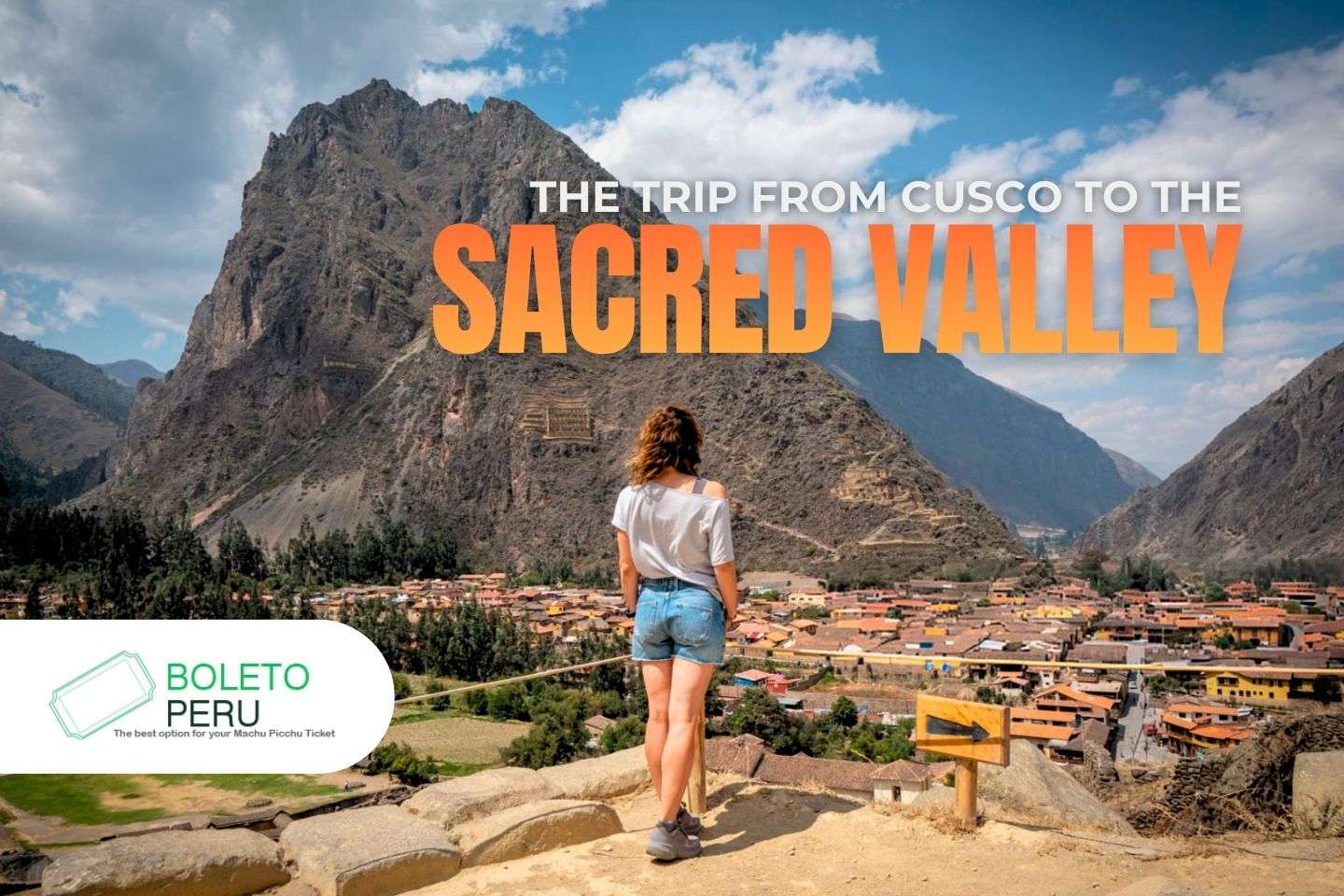
Along the Urubamba River lies a territory full of history and landscapes. The Incas considered it a sacred place and called it Wilcamayu (“the sacred river”), a name that Spanish explorers later adopted to describe the entire region. Today, making the journey from Cusco to the Sacred Valley remains one of the most fascinating experiences to get to know the Inca culture and discover the different settings located among its mountains.
This valley is known for its pleasant climate and fertile lands. Due to its closeness to the city, it was the refuge for the Inca elite, who took advantage of the geography to build royal residences, administrative centers, and agricultural complexes. The remains of that great civilization persist in impressive terraces, stone temples, and picturesque towns.
To make the most of your visit, it is essential to understand that the trip from Cusco to the Sacred Valley is not just a transfer, but a scenic route full of important places. Whether you are looking for archaeology, artisan markets, or simply to enjoy the fresh air of the Andes, this valley is the indispensable complement for any itinerary in southern Peru.
If you are interested in exploring the Sacred Valley of the Incas, in the following sections we detail how to travel from Cusco to the Sacred Valley, the available transport options, and useful tips to plan your tour efficiently.
About the trip from Cusco to the Sacred Valley
The tour of the Sacred Valley from Cusco follows the path of the Urubamba River, starting in the town of Pisac, located about 30 km (18 miles) northeast of the city. The route continues along the valley until reaching Ollantaytambo, covering the main agricultural and urban centers of the region.
Beyond Ollantaytambo, the geography changes drastically: the hills that border the river close in over its path and the fertile plain shrinks. At this point, the terrain transforms into a narrow gorge where the Urubamba River descends quickly toward the Amazon basin, marking the limit of the main valley.
Options for traveling from Cusco to the Sacred Valley
The roads that connect the city with the valley are in good condition and traffic flows well. However, the journey has curves and steep slopes due to the descent from the mountains toward the Urubamba River basin. To travel from Cusco to the Sacred Valley, you have the following alternatives:
- Organized tour: This is the most comfortable option. It includes a guide and transport, ideal for those who prefer to avoid logistical management.
- Private taxi: It has an approximate cost of USD 60-70 per trip. It offers total flexibility in schedules and personalized stops.
- Local bus: This is the cheapest alternative, with prices between USD 2 and 3.50. The buses depart daily from Av. Grau 525 in Cusco.
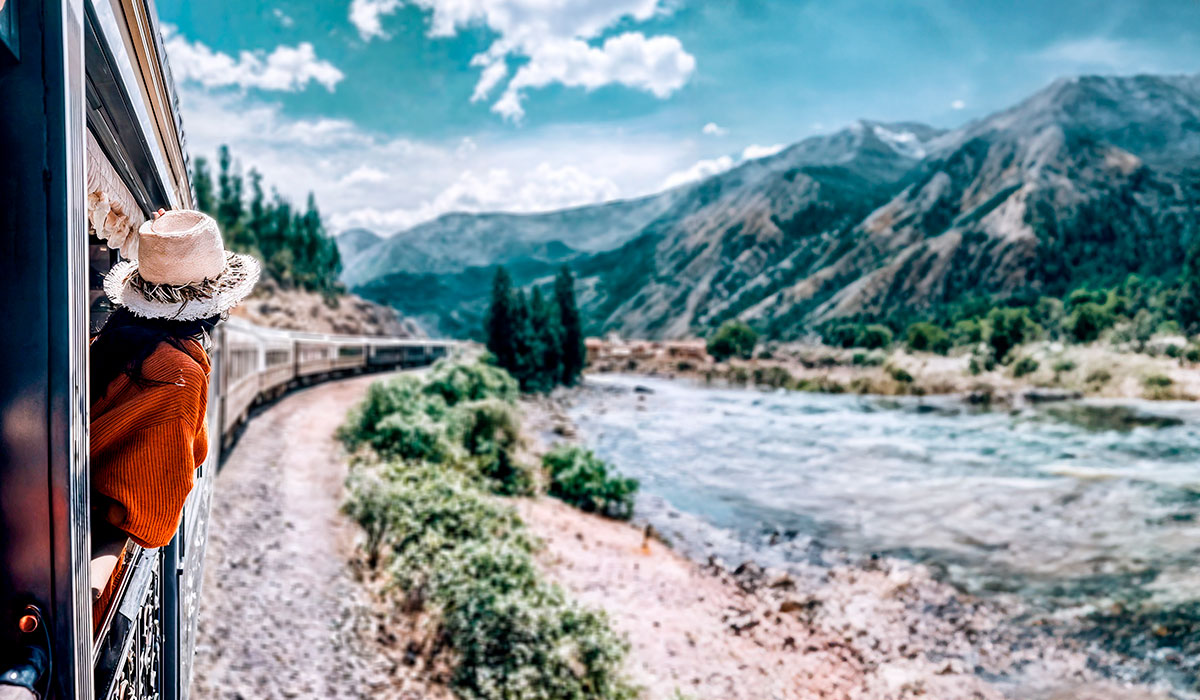
- Train to Ollantaytambo: You can use the PeruRail service from the city to the Ollantaytambo station and, from there, move by taxi or “colectivo” (shared van) to other points in the valley.
Important note: Road access toward Machu Picchu ends in Ollantaytambo. From this point on, the only available way to reach the town of Aguas Calientes is through the train service.
The highlights of the Sacred Valley
The Sacred Valley is home to a series of archaeological sites and colonial towns that were essential for the administration and religion of the Inca Empire. These destinations stand out not only for their historical importance but also for keeping their traditions in their markets and craft workshops, making the trip a complete cultural experience. Among the most outstanding places are:
- Písac: Starting the tour in Písac is an excellent option. The town is a reference for its craft market, where high-quality textiles, ceramics, and jewelry are offered. On Sundays, the local mass stands out for its traditional and colorful atmosphere. High above the town are the ruins of Písac, known for their perfectly fitted stone walls and their extensive agricultural terraces that remain in exceptional condition.
- Chinchero: Located at 3,800 meters in altitude, this ancient Inca city is known for its clear skies and the frequent appearance of rainbows. Chinchero is situated at a higher elevation than Cusco and is the main center for traditional weaving. Here, visitors can attend workshops where dyeing and weaving techniques inherited from past generations are shown, using natural materials and ancient tools.
- Urubamba and Yucay: Continuing toward the heart of the valley are Yucay and Urubamba, towns that offer a quiet and rural experience. Yucay stands out for its agricultural terraces and colonial buildings built on Inca foundations. For its part, Urubamba works as the main logistical center of the valley; it has a wide range of services, lodging, and food, being a strategic point to stay overnight and organize visits to nearby sites.
- Moray: This archaeological site is famous for its concentric circular terraces that worked as an agricultural experimentation center. The structure of Moray allows for different microclimates on each level, which helped the Incas grow and adapt different plant species under controlled conditions.
- Maras Salt Mines:Located near Moray, the Maras are made up of thousands of salt ponds stepped on a mountain slope. This method of salt extraction has been in use since Inca times. The visual contrast between the whiteness of the ponds and the mountain environment makes it one of the most unique landscapes in the region.
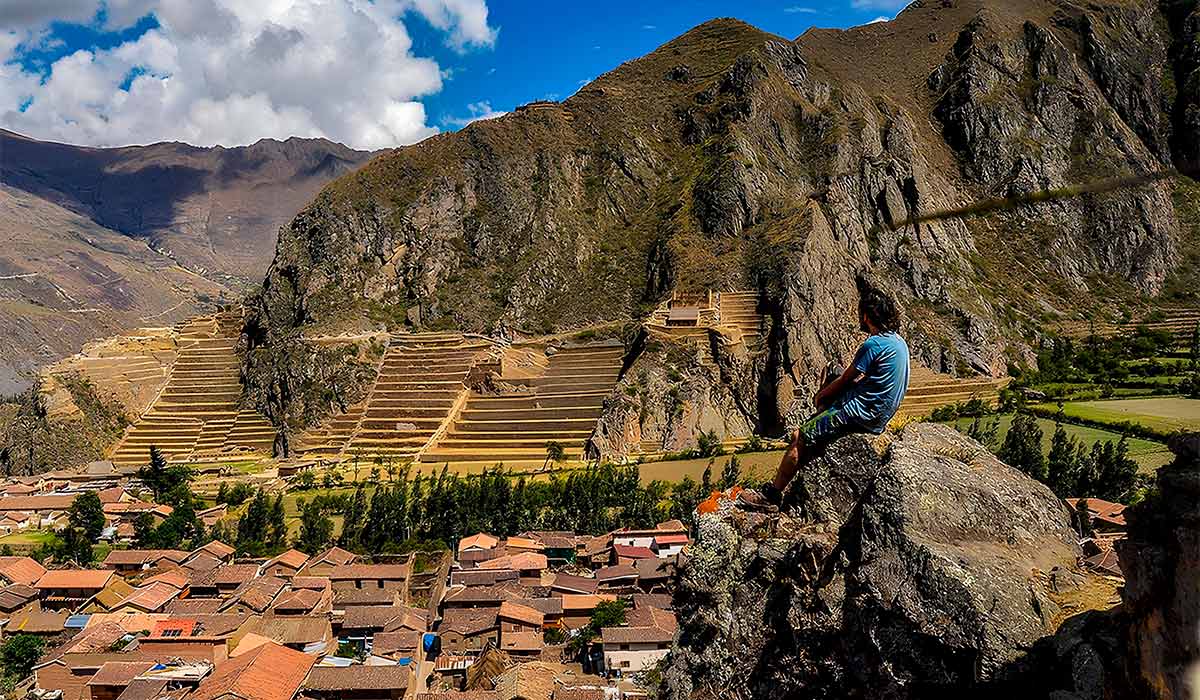
- Ollantaytambo: Finally, Ollantaytambo stands out for its architecture and its strategic role as the main train station toward Machu Picchu. It is considered one of the most beautiful towns in the region, as its streets keep the original Inca layout, allowing visitors to see daily life in a historical setting. In the upper part are the ruins of Ollantaytambo, an imposing fortress that overlooks the valley and marks the start of several routes, including the classic Inca Trail.

When to visit the Sacred Valley?
The flow of visitors in the valley changes according to the market days in Pisac (Tuesday, Thursday, and Sunday). Most agencies in Cusco schedule their tours on these days following the same itinerary: shopping in Pisac in the morning, lunch in Urubamba, and a visit to Ollantaytambo in the afternoon.
It is possible to book these tours at the last minute, especially during the low season, which includes the months from November to May. However, if you are looking for a quieter experience, it is recommended to visit the valley on days when there is no market or during the months with less demand. In any case, the Sacred Valley of the Incas has enough historical richness to dedicate more than one day to it if your itinerary allows it.
Useful recommendations for your visit to the Sacred Valley
- Start your day early: This will allow you to make better use of the sunlight and find the archaeological sites with fewer people.
- Carry cash: It is recommended to carry low-denomination bills and coins, as many local shops and craft stalls do not accept electronic payments.
- Wear clothes in layers: The weather is variable; mornings are usually cold, but the temperature increases considerably towards midday.
- Manage your transport: To visit specific places like Moray or the Salt Mines, consider hiring a taxi or private transport, as public transport does not go directly to these points.
- Acclimatization: If you feel the effects of the altitude, staying overnight in the valley is an excellent option. Since it is at a lower altitude than the city of Cusco, it will help you stabilize before doing more demanding physical activities.
Access to Archaeological Sites: The Cusco Tourist Ticket
To enter the main complexes of the Sacred Valley, it is mandatory to purchase the Cusco Tourist Ticket (BTC). This is the official pass that allows access to the monuments and museums managed by the State in the region.
What places in the Sacred Valley does it include?
The ticket covers the entrance to the four main archaeological sites of the valley: Pisac, Chinchero, Moray, Ollantaytambo.
Types of tickets
- General Ticket: It is valid for 10 days. It includes more than 15 sites spread across Cusco, the South Valley, and the Sacred Valley. It is the best option for travelers exploring the region at a relaxed pace.
- Partial Ticket (Circuit III – Sacred Valley): It is valid for 2 days. It includes only the four sites mentioned above. It is ideal for those who only have a short time to visit the valley.
Where to buy it?
- Points of sale: You can buy it at the main COSITUC office (Av. El Sol 103, Cusco) or directly at the ticket booths of the archaeological sites at the time of your visit.
- Payment: It is essential to carry cash, as they cannot be bought online and many points of sale do not accept cards.
Important note: This ticket is the only authorized way to enter. Individual tickets are not sold for each site, so buying it is essential for any cultural tour in the area.