

The city of Cusco, ancient capital of the Inca Empire and the central axis of tourism in Peru, is located at an altitude of 3,399 meters above sea level. This elevation is the main factor that defines the Cusco Climate and the planning of the trip. The region is located in the Southern Highlands, where the combination of latitude and extreme altitude creates a unique set of microclimates.
The Cusco Peru Climate is characterized by two major phenomena that often confuse travelers. The first is the great daily thermal range, which means intense and sunny mornings (close to 20°C) followed by freezing nights (especially in the dry season). The second is the drastic division of the year into two seasons: the dry season (from April to October) and the rainy season (from November to March).
This guide is designed to understand the complexities of the Cusco Climate and to provide the essential information that every traveler should know. Below, we will analyze in detail the temperatures, precipitation levels, and the features of each season. This will allow you to plan your trip, choose the best time for hiking, and know exactly what clothes to pack.
About the Cusco Region
Cusco is a region of Peru, located in the Southern Highlands and is the meeting point of various cultures and geographies. Its name, which comes from the Quechua “Qosqo” (Navel of the World), reflects its historical function as the political and religious center of the vast Inca Empire (Tahuantinsuyo).
The geography of Cusco is marked by the presence of the Eastern Andes Mountain Range. The main vital axis of the region is the Vilcanota (or Urubamba) river, which flows through the inter-Andean valleys, creating the Sacred Valley of the Incas. The department covers a vast area of ecological levels, ranging from the freezing puna (high mountain) to the jungle brow (cloud forest), where the citadel of Machu Picchu is located.
Currently, the city serves as the essential operations center for all regional tourism. The Alejandro Velasco Astete International Airport and the land terminals make it the mandatory logistical starting point for expeditions. This constant flow of international visitors, together with its rich Inca and colonial heritage, gives Cusco a cultural and economic dynamism that distinguishes it from other cities.
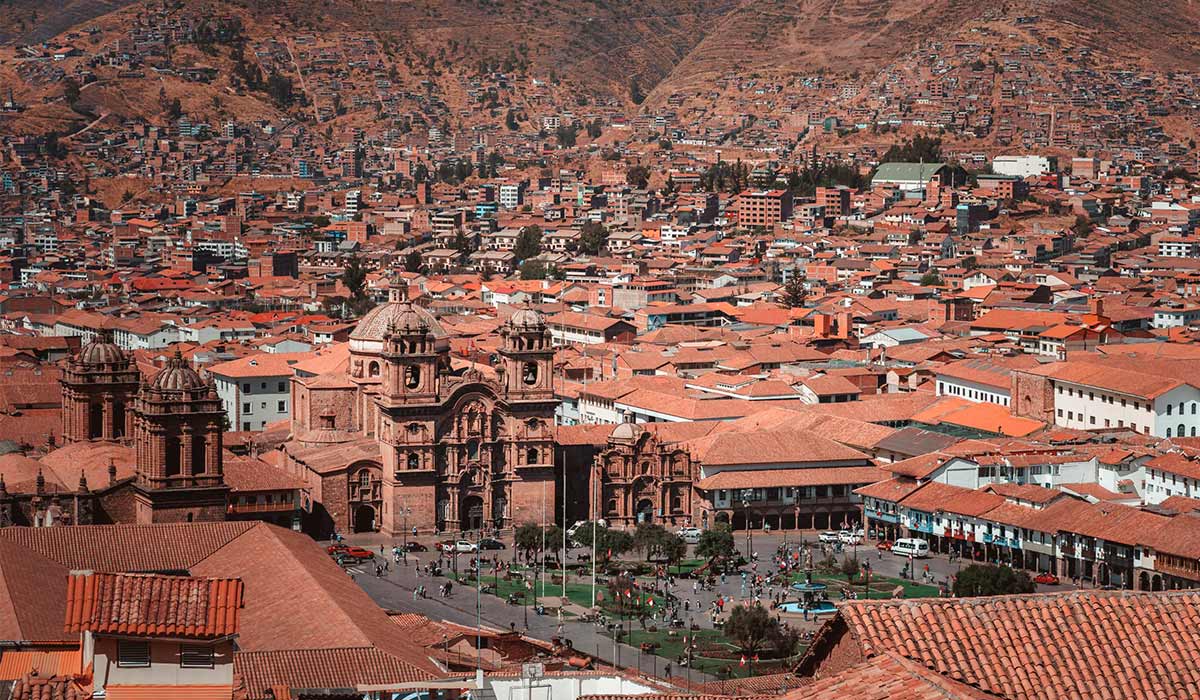
What is the climate like in Cusco Peru?
The climate in the city of Cusco is classified as high-mountain temperate and is directly influenced by its elevation. The most distinctive feature of the Cusco climate is its daily thermal range. It is common to experience intense and sunny mornings, which require the use of sunscreen, followed by cold nights with a considerable drop in temperature, especially during the months of June and July.
In general, the climate in the Cusco region is governed by two main seasons: the dry season (which runs from April to October) and the rainy season (from November to March). These two seasons, which will be detailed below, define the conditions for any outdoor activity and are a crucial factor to consider when planning the itinerary.
Rainy Season in Cusco (November to April)
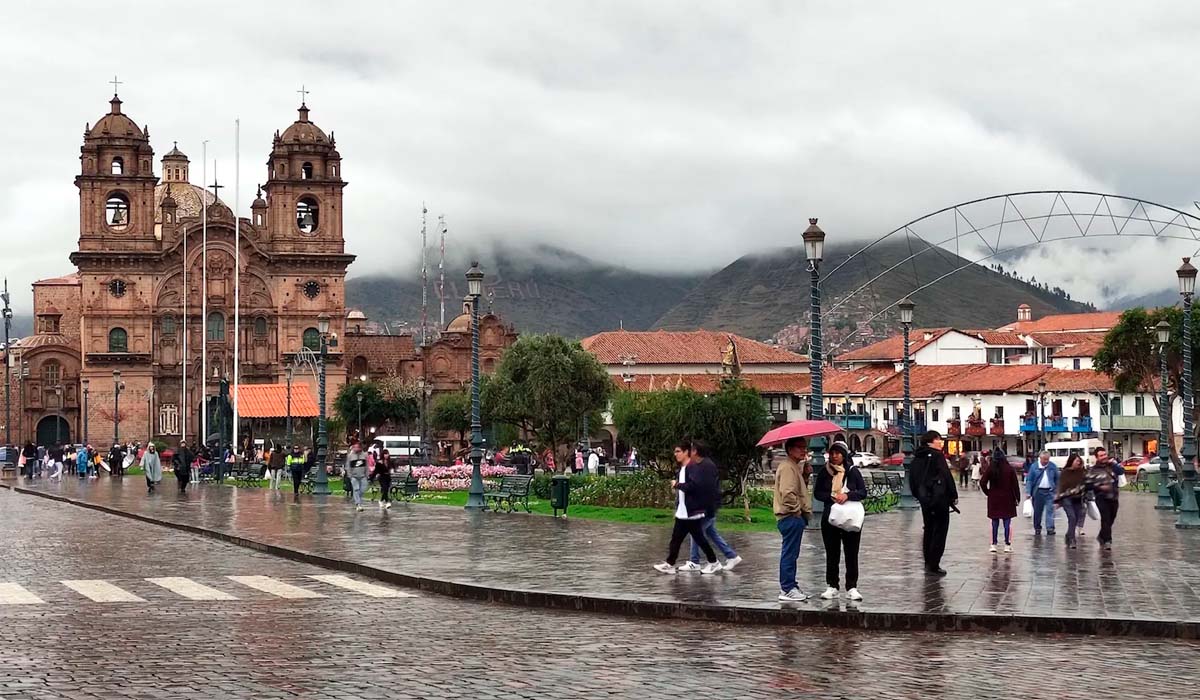
The Rainy Season in Cusco formally goes from November to March. This period matches the Andean summer, which means that, despite the rainfall, daytime temperatures stay mild. What is common is not constant rain, but intense, local downpours that usually happen during the afternoons. This constant humidity colors the landscape a deep green, offering a lush view of the valleys.
This is generally the low tourism season period, which means fewer visitors and greater availability of deals on lodging and tours.
Climate Month by Month and Logistics
- November and April (Transition): November marks the start of the rains, while April marks their end. Both months are transitional, with pleasant weather, frequent sunny days, and a risk of scattered rain. April, in particular, is considered an excellent month because of its good balance between weather and visitor flow.
- December and January (Increase in Rain): These months have high rainfall. Cloudiness is constant and tourists will experience rain most days, especially in the afternoon. Maximum temperatures are stable (18°C to 19°C), and night minimums are milder than in the dry season (around 7°C).
- February (Peak Rainfall): February is the month with the most rainfall of the entire season. For safety and maintenance reasons, the Classic Inca Trail is closed all month, being the only trekking route that is required to close.
Dry Season in Cusco (April to October)
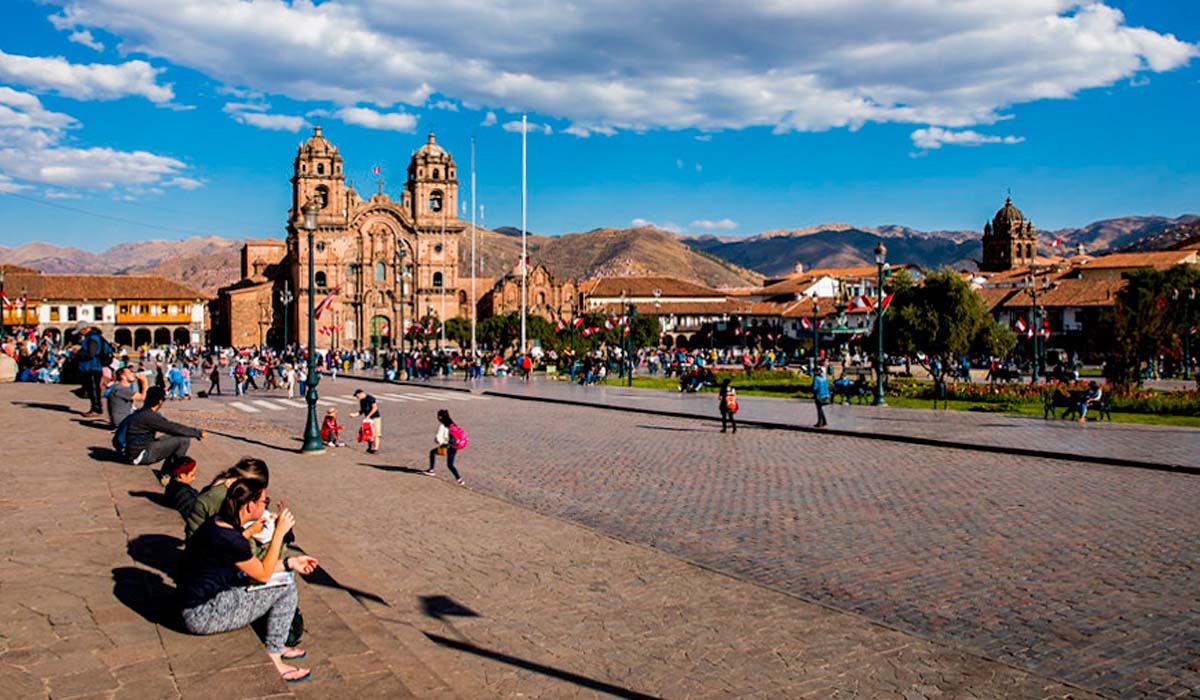
The Dry Season in Cusco extends from April to October. This is the most stable period in climate terms and, therefore, the high tourism season in the region. The days are consistently sunny, with clear skies, which ensures the best visibility for excursions and hiking. However, this climate stability brings with it the challenge of freezing nights and the need for careful planning.
The high flow of visitors, especially at the peak in June, July, and August, demands strict planning. It is essential for travelers to book tickets to Machu Picchu, train tickets, and lodging several months in advance, as demand during this period is maximum.
Climate and Logistics Month by Month
- May: Marks the official start of the dry season. Average rainfall drops sharply, and cold winter nights set in. High temperatures are around 19°C. It is an excellent month, with good weather before the arrival of the big summer crowds.
- June: It is the driest period of the year. Days are bright and sunny, but nights are freezing. It is the start of the busiest tourist season, marked by the celebrations of the Anniversary of Cusco (Inti Raymi), which increases congestion at all attractions.
- July: It is, statistically, the coldest month of the year, with minimum temperatures dropping near or below 0°C. Days remain clear and sunny, but the night cold is intense. It is still a very busy month due to patriotic holidays.
- August: The cold, dry pattern continues. Night temperatures are low (around 2°C to 3°C), but days become warmer (highs of 19.3°C), signaling the end of winter. It remains high season.
- September: Minimum temperatures rise noticeably, and the daytime weather is very pleasant. Although most days remain sunny, the chance of scattered rain begins to increase toward the end of the month.
- October: It is the month with the warmest high temperature of the whole year, with averages near 20.3°C. It is an excellent time to visit, as it offers a balance between pleasant weather and fewer crowds than the summer peak.
What is the Ideal Time for your Trip to Cusco?
The most accurate answer is that it depends on the traveler’s priorities. The choice comes down to a balance between stable weather (clear skies) and tourist crowds. The dry season offers the most stable conditions for hiking, while the rainy season offers less congestion and lower prices.
The best time for outdoor activities is during the dry season, from May to September. During this period, mornings are sunny and the chance of rain is minimal, which is ideal for visiting Machu Picchu and hiking. However, the months of June, July, and August make up the high tourism season, meaning that archaeological sites are more crowded than at any other time of the year. The nights in June and July are also the coldest of the year.
For those looking for a balance between weather and crowds, the transition months (April, May, September, and October) are usually the most suitable, offering generally favorable weather with fewer crowds. The rainy season (November to March) is the low season, where lodging rates are lower and sites have fewer visitors. While you can enjoy greener landscapes, you must be prepared for frequent rains, which reach their maximum intensity in January and February.