
The Ministry of Culture, through Cusco’s Decentralized Directorate of Culture (DDC), temporarily suspended visitor access to the Machu Picchu Inca Trail Network. The suspension took effect on Wednesday, August 19, and will remain in place until further notice.
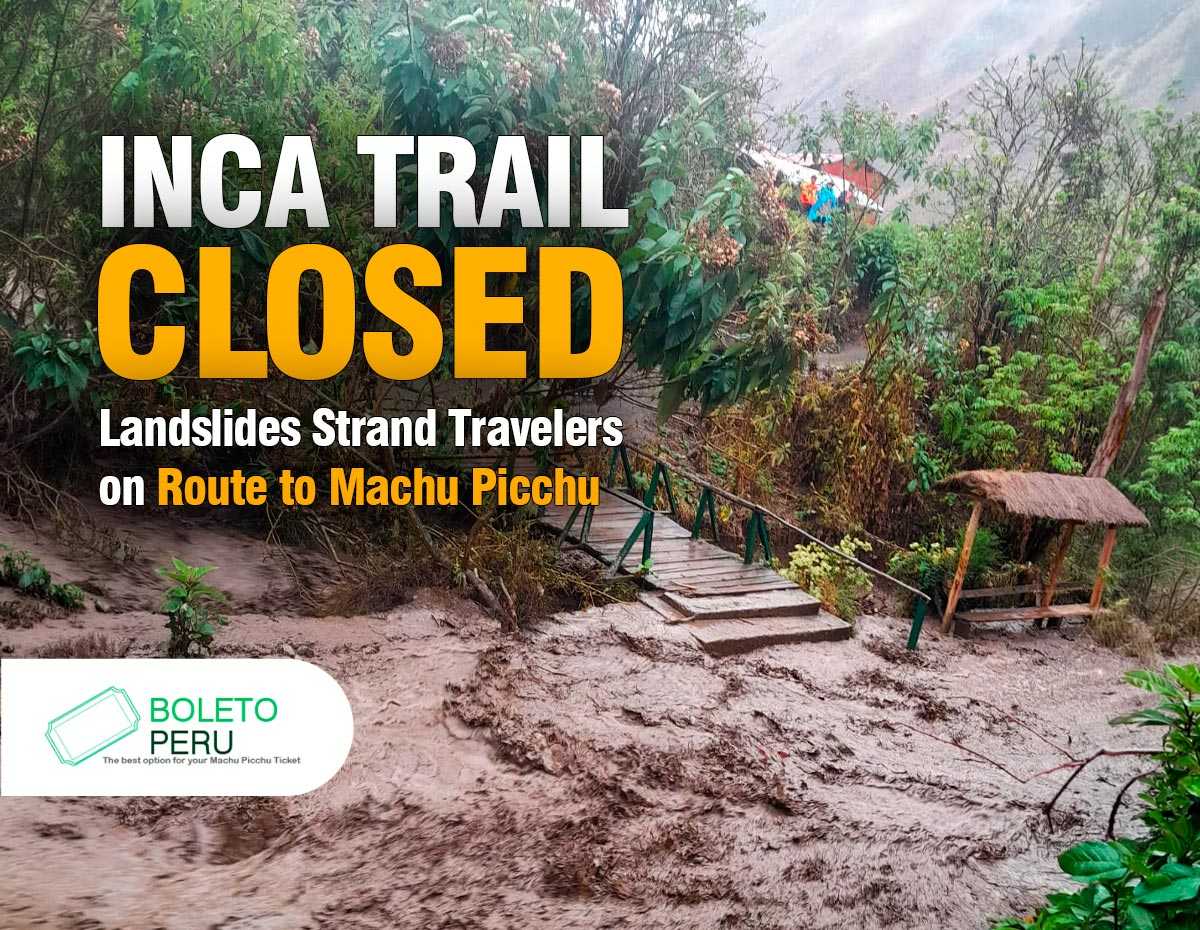
The measure followed heavy rains that intensified on the night of Monday, August 17. According to Senamhi, the rainfall was linked to an Isolated High-Level Depression (DANA). The severe weather triggered landslides, caused streams to overflow, flooded campsites, eroded sections of the trail, damaged small bridges, and caused several restroom facilities along the route to collapse.
Affected areas
The emergencies were recorded in eleven points of the route: Llulluchapampa, Ayapata, Paqaymayu Alto, Soqtacocha, Yuncachimpa, Qonchamarka, Wayllabamba, Pawkarcancha, Cusichaka, Phuyupatamarka and Wiñaywayna.
Which Inca Trail routes are closed?
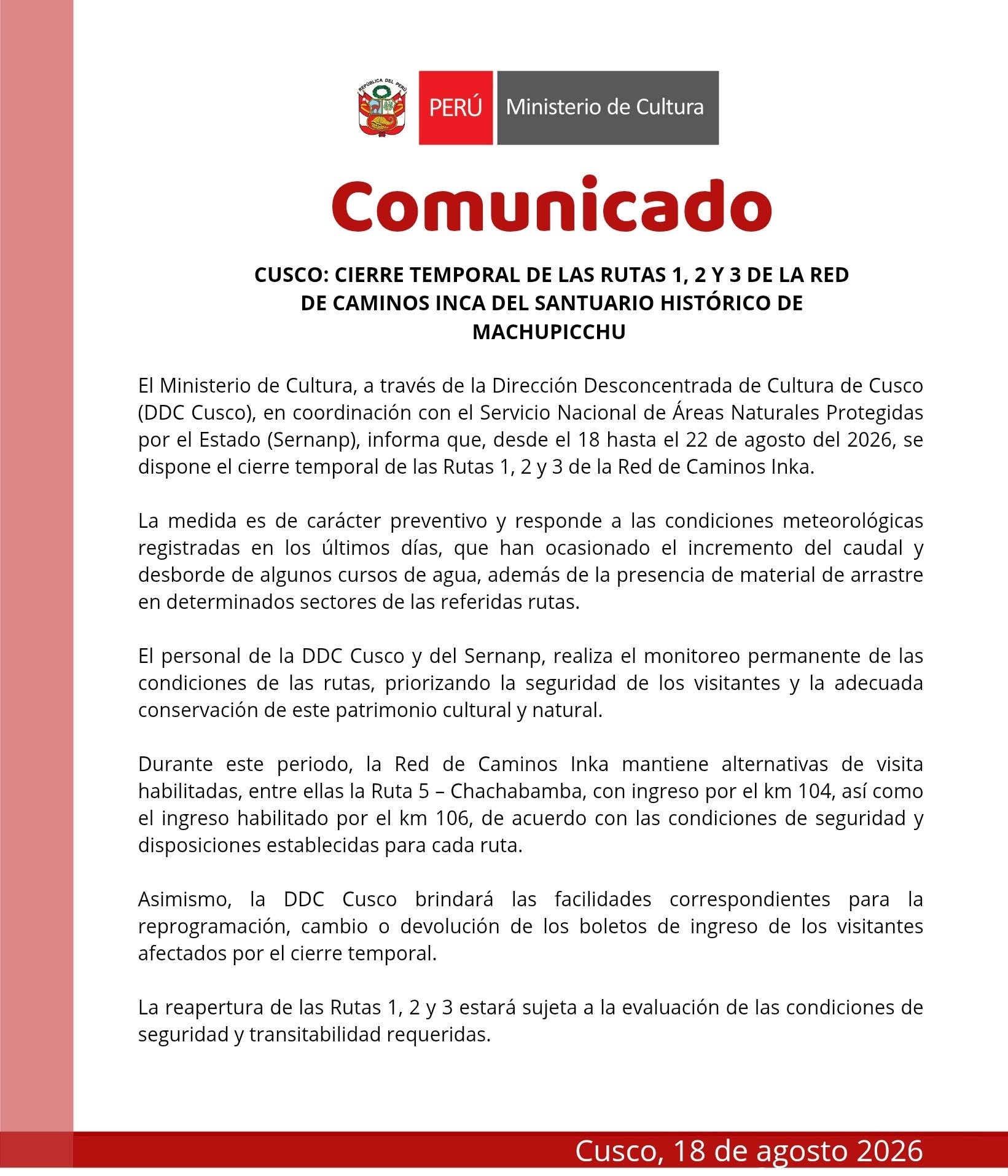
The closure covers Routes 1, 2, and 3 of the Inca Trail Network. They will remain closed until at least August 22 while authorities assess safety and trail conditions.
Authorities are considering opening Route 5, with access through Chachabamba at kilometer 104 and Choquesuysuy at kilometer 106. However, the reopening will depend on the weather and ground conditions.
Tourists on the route, forced to return
The visitors who had entered on Tuesday, August 18, were taken out as a safety measure to prevent them from being exposed in danger zones. The rescue teams work on the ground to ensure a safe return.
Francisco Huarcaya, head of Conservation of the Inca Trail Network, pointed out that the staff keeps a constant watch in the most vulnerable areas, working together with Sernanp.
Refunds and rescheduling
The tourists affected by the closure will be able to ask for rescheduling, a change, or a refund of their ticket money if the weather conditions prevent the reopening of the route. Mincetur, on its side, turned on the Tourist Protection Network to oversee the safe transfer of the travelers who are still in the area. Users can check the status of their bookings through the iPerú line, at (01) 574 8000, or by WhatsApp at 944 492 314.
The authorities asked the tourist agencies and guides to respect the current rules, and pointed out that they will continue watching the weather emergency to inform on time about the reopening of the route.
Other events of great impact caused by climate change
1. A mule driver passed away on the Salkantay route
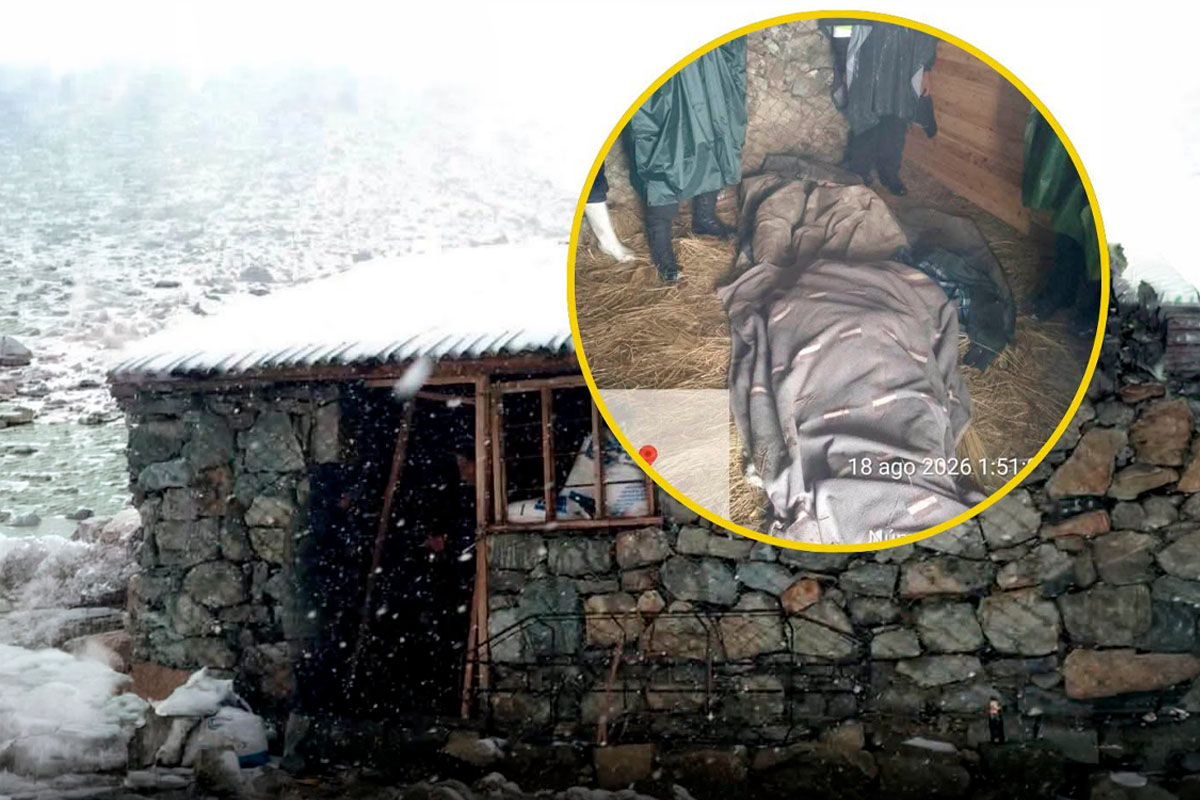
A mule driver was found dead on the Salkantay trek, in the Abra Soyroccocha (Suerococha) area, Mollepata district, Anta province. The event was reported on Tuesday morning, August 18, when officers from the Mollepata Police Station found the body inside a cabin located in that area.
His name is Alipio Quiñones Pérez, 64 years old, who dedicated himself to helping tourists who travel the Salkantay trek. According to posts shared on social media, the mule driver was returning from Soraypampa to Santa Teresa when the difficult weather conditions and the bad state of the road stopped him from continuing the trip, so he looked for shelter from the intense cold.
Finding the body
The body was found lying on its back, on dry grass inside the cabin. According to the shared information, the mule driver was found with no clothes on his upper body, a fact that the authorities will have to investigate along with the real cause of death.
Police staff went to the place to protect the scene and interviewed the sister of the dead man, who pointed out that the death was likely caused by hypothermia, as a result of the snow and rain recorded in the area. The event was immediately reported to the representative of the Public Ministry.
Rescue and transfer
Police officers, specialized staff, local security, as well as family members and neighbors of the area took part in the rescue work, moving despite the risk caused by the road conditions. The body was moved to Mollepata and, by order of the Anta Prosecutor’s Office, it will be taken to the morgue to officially determine the cause of death and clear up the details of the event.
This sad event shows once again the risky conditions faced by both workers and tourists who travel the Salkantay route, especially during bad weather episodes that affect the Cusco mountains.
2. Porter dies on the Inca Trail
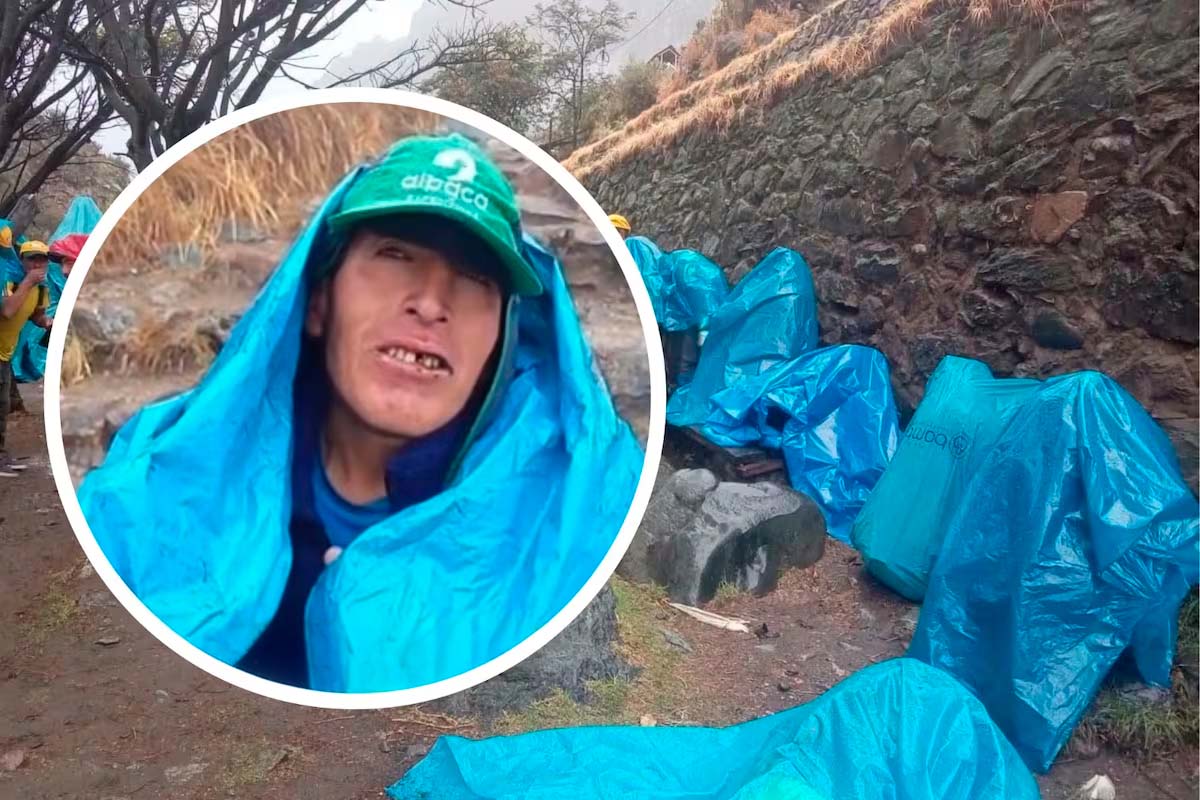
In the middle of the rain emergencies that caused the closing of the Inca Trail to Machu Picchu, a sad event happened on a section of this route: a porter lost his life during the trip. His name is Gabriel Ríos Mamani, whose body was found in the Abra Warmiwañusca area, a point reached during the second day of walking on the Inca Trail and which is the highest pass of the whole route, at 4,210 meters above sea level.
Family complaint
According to the relatives, Ríos Mamani worked as a porter for the Alpaca Expedition agency, carrying the backpacks of the tourists who traveled the route. According to the complaint, the worker got sick during the trip and was left behind by the tourists, his coworkers and the agency, which (according to the family) put moving the cargo ahead of taking care of the person.
His oldest son, William Ríos Mamahuilca, publicly questioned the actions of the agency and asked to clear up who is responsible: his father had left home in good health, with no previous illness. The family demands a full investigation and stressed that the agency must ensure proper conditions for all porters working on the route.
Ongoing investigation
The Police and the Public Ministry went to the area to remove the body and do the required legal tests. So far the official cause of death is unknown, although it is not ruled out that it was hypothermia, considering the low temperatures recorded in the Warmiwañusca pass. The authorities must determine if the family’s claims about the alleged abandonment have support.
The case adds to the alert situation currently faced by the Inca Trail, whose entry remains suspended due to the heavy rains and landslides recorded in the area, and puts at the center of the debate the working and safety conditions of the porters who work on this tourist route.