

When stepping off the plane in Cusco, the airport sits at 3,399 meters above sea level. Some people walk to the baggage claim without noticing anything. Others feel like they are breathing faster than normal, that their heart is beating stronger, or that their head is starting to feel heavy. Is it flight fatigue? Is it soroche? In many cases, it is the first contact with high altitude.
Altitude sickness can affect any traveler, regardless of age or physical condition. How much time do you need to acclimate before exploring Peru’s destinations? Knowing the symptoms, taking precautions, and planning your arrival in high-altitude places—such as Cusco, Machu Picchu, or trekking routes—will help you enjoy your trip without altitude sickness ruining your plans.
In this guide you will find what altitude sickness is and why it happens, the altitudes of the most visited destinations in the Peruvian Andes, mild symptoms and warning signs that should not be ignored, and who is at higher risk. We will also look at how to prevent it, what traditional remedies are used in the region, which itineraries facilitate gradual acclimatization, and what to pack in your luggage. At the end, we answer the most frequently asked questions.
What is altitude sickness?
Altitude sickness in Peru, known in the Andes as soroche and in medicine as acute mountain sickness, is the set of symptoms that can appear when a person ascends to a high altitude in a short time and their body has not yet adapted. The most common are headache, dizziness, nausea, fatigue, and difficulty sleeping. In most cases they are mild and improve with rest and acclimatization.
Why does it happen?
The percentage of oxygen in the air is practically the same at any altitude (around 21%). What changes is atmospheric pressure: at higher altitude, the air is less dense and each breath incorporates less oxygen. In Cusco, at more than 3,300 meters, atmospheric pressure is roughly equivalent to two-thirds of what it is at sea level.
The body responds to this difference with several adjustments: it breathes faster, the heart beats more frequently, and over days, it produces more red blood cells. These changes take time. Soroche appears when ascending faster than the organism can adapt.
At what altitude does it appear?
Symptoms usually present starting from 2,500 meters, although the risk increases noticeably above 3,000 meters. This means that cities like Cusco (3,399 m) or Puno (3,800 m) are within the range where many travelers experience them, while Machu Picchu (about 2,430 m) and Aguas Calientes (about 2,040 m) are below and are usually more manageable.
There is no exact figure that fits everyone. The reaction depends on the speed of ascent, each person’s history, and individual factors that cannot always be predicted. Symptoms usually appear between 6 and 12 hours after arriving at high altitude and, with rest, usually decrease in one or two days.
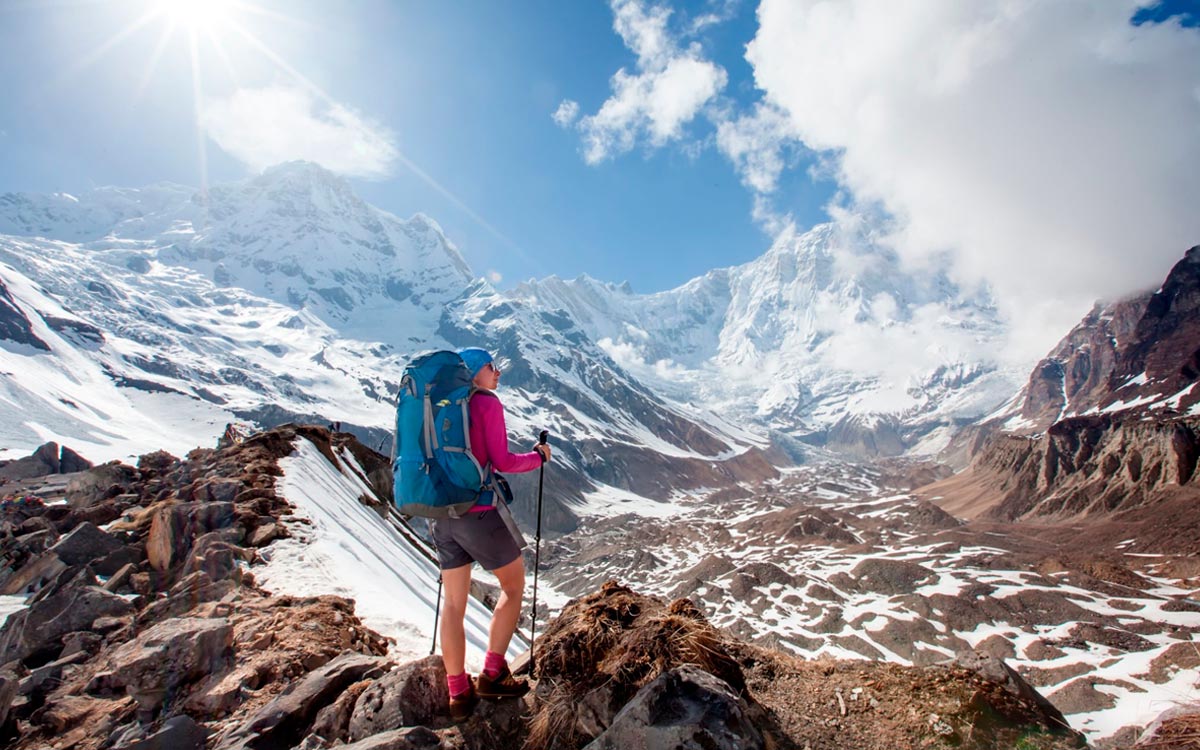
Altitude of the most visited destinations
The altitude of a trip through southern Peru changes greatly from one destination to another. In a few days you can go from sea level to over 3,800 meters, or from 3,400 meters in Cusco to 2,000 meters in Aguas Calientes. Knowing these numbers allows you to decide in what order to visit each place and when it is convenient to give your body a day of rest.
The following table gathers the approximate altitudes of the most visited destinations, along with the risk of altitude sickness usually associated with each one according to the ranges explained in the previous section.
| Destination | Approximate altitude (m a.s.l.) | Soroche (altitude sickness) risk |
|---|---|---|
| Lima | 150 | None |
| Aguas Calientes | 2,040 | Low |
| Machu Picchu | 2,430 | Low |
| Arequipa | 2,335 | Low |
| Sacred Valley of the Incas | 2,800 – 3,000 | Low to moderate |
| Choquequirao (archaeological site) | 3,030 | Moderate |
| Cusco | 3,399 | Moderate |
| Puno | 3,830 | High |
| Lake Titicaca | 3,810 | High |
| Inca Trail (highest point, Warmiwañusca Pass) | 4,215 | High |
| Salkantay (pass) | 4,630 | High |
Lowest destinations to start acclimatizing
If your itinerary permits, these points help you reach Cusco with a better-prepared body:
- Lima: At sea level, it is the usual starting point, but it provides no acclimatization.
- Arequipa (2,335 m): Sits below the threshold where soroche usually appears, and spending one or two days there is a gradual way to go up.
- Sacred Valley (2,800 to 3,000 m): It is lower than Cusco, so sleeping there the first nights reduces the abrupt change in altitude.
- Aguas Calientes (2,040 m): It is the lowest point on the Machu Picchu circuit and is usually comfortable even for those who felt symptoms in Cusco.
Higher-altitude destinations, such as Puno, Lake Titicaca, the Salkantay pass, and the Inca Trail, are best left for after having spent several days above 2,500 meters.
Symptoms of altitude sickness
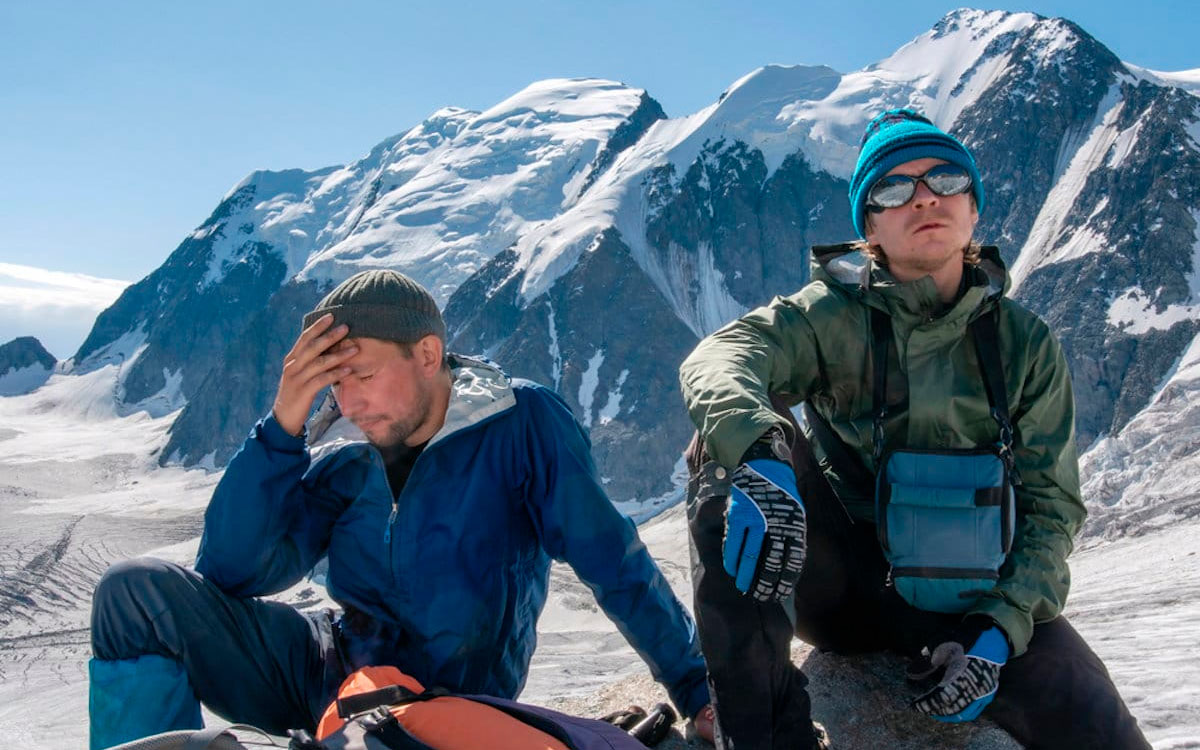
Soroche symptoms generally appear between 6 and 12 hours after arriving at high altitude. They can be mild and temporary, but they can also worsen if you continue to ascend without the body having adapted. It is useful to distinguish between one and the other.
Mild symptoms
The typical presentation includes headache accompanied by one or more of these signs:
- Dizziness or feeling of instability
- Nausea and loss of appetite
- Unusual fatigue
- Difficulty sleeping or interrupted sleep
These symptoms usually decrease with rest, hydration, and one or two days of adaptation, provided you do not ascend further. If they do not improve or get worse, they must be taken seriously.
Warning signs
Severe cases are uncommon, but they can be dangerous. These are the signs that indicate action must be taken immediately:
- Confusion or behavioral changes: Difficulty thinking clearly, incoherent answers, or excessive sleepiness.
- Loss of coordination: Stumbling while walking, inability to maintain a straight line, or clumsiness with hands.
- Difficulty breathing at rest: Shortness of breath without having made physical effort.
- Persistent cough, sometimes with a feeling of tightness in the chest.
These signs may correspond to high-altitude cerebral or pulmonary edema, which require urgent medical attention.
When to descend or seek medical attention?
- If symptoms are mild: Do not keep ascending. Rest, stay hydrated, and wait for them to improve before ascending further.
- If symptoms worsen or do not improve in one or two days: Descend to a lower altitude and consult a doctor.
- If any of the warning signs appear: Descending is the most effective measure and should not be delayed. Seek medical attention immediately.
- During a trek: Inform your guide at the first symptom. Do not hide it for fear of missing the itinerary. The guide can adjust the pace or decide to descend.
Who is at higher risk?
There is the idea that young or fit people are protected. But that is not the case; an athlete can suffer from soroche and a sedentary person may have no symptoms at all. Physical condition does not determine how the body will respond to high altitude, and travelers who feel strong sometimes ascend faster and are therefore more exposed.
Factors that increase risk
- Rapid ascent: It is the most important factor. Going from sea level to more than 3,000 meters in a few hours, as happens when flying from Lima to Cusco, leaves little time for the body to adapt.
- Prior history: Someone who has already had altitude sickness is more likely to repeat it.
- Intense physical effort on the first day: Walking long distances or doing hard exercise upon arrival can aggravate symptoms.
- Alcohol: It can worsen symptoms and affect sleep quality at high altitude.
- Hydration: Staying well-hydrated is a standard recommendation at high altitude, although evidence regarding its direct effect on preventing soroche is limited.
How to prevent altitude sickness?
There is no way to guarantee that soroche will not appear, but there are measures that reduce the risk. The most effective one is giving the body time to adapt.
- Gradual acclimatization: The most accepted rule in high-altitude medicine is to ascend progressively. Above 3,000 meters, it is recommended that the altitude at which you sleep does not increase by more than 300 to 500 meters per day, and to include a rest day every three or four days of ascent. In practice, for those arriving in Cusco by plane from Lima, this means that it is wise to be cautious on the first day. Many agencies and guides recommend spending one or two days adapting before visiting higher places or starting a trek, although the exact figure varies depending on the person and there is no single number that works for everyone.
- Hydration and light meals: Drinking fluids regularly and eating small portions, with carbohydrates and low fat, helps you feel better at high altitude. As mentioned in the previous section, evidence that hydration prevents soroche is limited, but it is a reasonable recommendation because at high altitude you breathe faster and lose more water.
- Avoid alcohol and exertion on the first day: During the first 24 to 48 hours, it is advisable to avoid alcohol, which can worsen symptoms and affect sleep. It is also better not to do long walks or intense exercise upon arrival. A quiet first day, with short walks, is usually enough.
- Sleep at a lower altitude: Sleep is when altitude is noticed the most. A common strategy is to stay the first nights at a lower point than Cusco, such as the Sacred Valley (between 2,800 and 3,000 meters approximately), and go up later. This allows starting acclimatization with less demand on the body, and upon reaching Cusco the difference is smaller.
Preventive medication
There are medications that some doctors prescribe to prevent soroche, especially for those who have already suffered from it or are going to ascend quickly to high altitudes. They must be indicated by a health professional, who will evaluate the dosage and contraindications according to each case. What is recommended is to consult with your doctor before the trip, not upon arrival.
Traditional remedies and local solutions
In the Andes there are deeply rooted practices to deal with altitude. Some are part of daily life in the region and it is useful to know them, always with clarity about what they can and cannot do.
- Coca tea
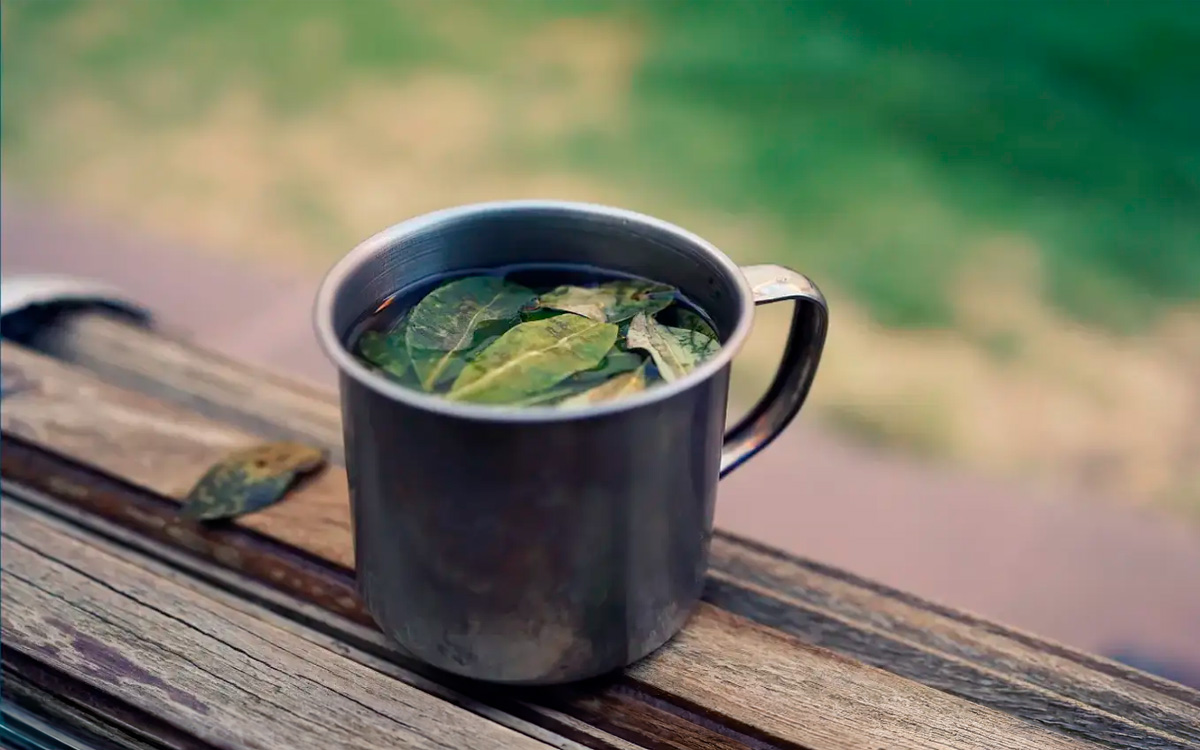
Coca tea is the most well-known infusion in the region. It is offered in hotels, restaurants, and airports, often as a welcome. More than a remedy, it is a cultural custom: the coca leaf has been used in the Andes for centuries in daily life and in rituals.
Many travelers drink it to feel better, but there is no solid evidence that it prevents or treats soroche. It is safe for most people in small amounts, but it is good to know two things:- The coca leaf is legal and commonly consumed in Peru, but taking it out of the country is usually forbidden. Do not pack it in your luggage when leaving.
- It can test positive in drug screening tests. If you are going to undergo a drug test, check before consuming it.
- Muña, chamomile, and other infusions
Muña (an Andean herb with a minty aroma) is taken as an infusion and is very popular in the region. Chamomile and anise are also used. These infusions usually relieve the feeling of stomach discomfort and are comforting, in addition to adding to hydration. Just as with coca tea, there are no studies confirming that they prevent or cure altitude sickness. - Oxygen in hotels and pharmacies
Many hotels in Cusco and other high-altitude cities offer supplemental oxygen, either in rooms or upon guest request. Small portable oxygen canisters are also sold in pharmacies and shops. It can temporarily relieve mild symptoms, but it does not solve the cause: if symptoms persist, descending and seeking medical attention remain the answer.
Recommended acclimatization itineraries
There is no single itinerary that works for everyone, but there is a common logic: ascend gradually, sleep at a lower altitude for the first nights, and leave the highest points for the end. The days indicated below are indicative and should be adjusted according to how each person responds.
Route 1: Lima → Arequipa → Cusco
It is one of the most gradual options, because Arequipa (2,335 m) sits below the range where soroche usually appears.
- Days 1 and 2: Lima. Sea level. City tour and rest after the flight.
- Days 3 and 4: Arequipa. First contact with a moderate altitude. Quiet walks through the historic center and the Santa Catalina monastery.
- Days 5 to 7: Cusco. You arrive with a base of acclimatization. The first day in Cusco is best kept quiet, with short walks through the center.
Route 2: Cusco → Sacred Valley → Machu Picchu
It is the most common circuit. With a variation in the order, the demand of the first days can be reduced.
- Days 1 and 2: Cusco (3,399 m). Rest and city tour, avoiding heavy exertions.
- Days 3 and 4: Sacred Valley (2,800 to 3,000 m). Pisac, Ollantaytambo, and other points. It is lower than Cusco, so it is usually more comfortable for sleeping.
- Day 5: Machu Picchu (2,430 m) and Aguas Calientes (2,040 m). They are the lowest points of the circuit, so many people feel better here.
Recommended variant for those arriving by plane from Lima: go directly to the Sacred Valley upon landing, sleep there for the first two nights, and then go up to Cusco. This way the body adapts before facing 3,399 meters.
Route 3: Puno and Lake Titicaca with prior acclimatization
Puno (3,830 m) and Lake Titicaca (3,810 m) are among the highest destinations on tourist circuits. Arriving directly from sea level is not recommended.
- First stage: Lima → Arequipa (2 days) or Lima → Cusco and Sacred Valley (3 to 4 days), to have a base of acclimatization.
- Second stage: Travel to Puno by land (from Cusco or Arequipa) or by plane to Juliaca.
- First day in Puno: Rest and short walks. Leave excursions to the lake and islands for the second day.
If the trip combines Cusco and Puno, it is usual to visit Cusco first, because it allows accumulating several days above 3,000 meters before reaching Puno.
Recommendations for treks
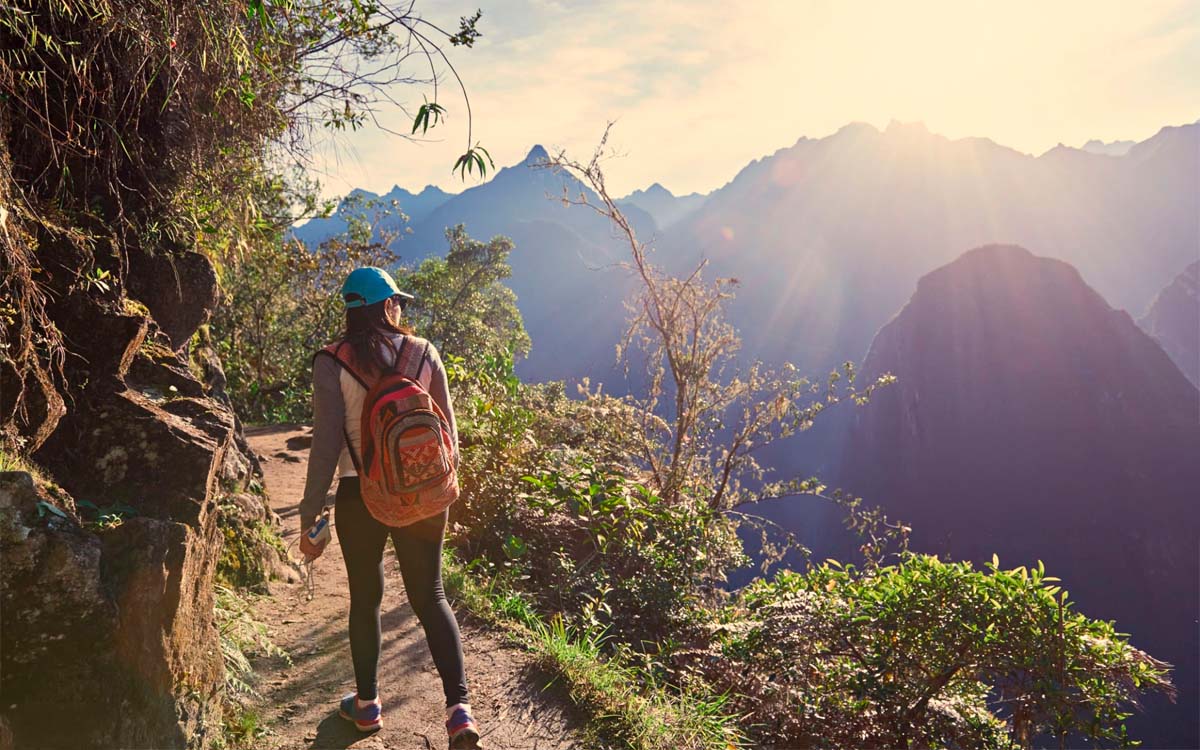
In treks, altitude combines with physical effort, long days, and nights in camp. For this reason, prior acclimatization matters more than on a conventional tourist trip.
- Salkantay (pass at approximately 4,630 m): It is the trek with the highest altitude among the three. The most advisable thing is to spend at least two or three days in Cusco and the Sacred Valley before starting.
- Inca Trail (Warmiwañusca pass at approximately 4,215 m): It has sections of sustained ascent on the second day, which is usually the most demanding. It is also convenient to arrive with several days of acclimatization. Additionally, permits are limited and must be booked far in advance.
- Choquequirao (site at approximately 3,030 m): The altitude of the site is lower than that of other treks, but the route includes steep descents and ascents, so the physical demand is considerable. Prior acclimatization in Cusco is likewise recommended.
What to bring in your first aid kit and luggage?
Preparing luggage for high altitude does not require much, but it is good to think about it before leaving. In the Andes the weather changes during the day: strong sun at noon, cold in the morning and at night, and frequent rains between November and March.
Basic checklist
- Sunscreen (high SPF) and sunglasses: at higher altitude, ultraviolet radiation is more intense, even on cloudy days.
- Hat or cap: protects from the sun during walks and visits to archaeological sites.
- Layered clothing: a light base layer, an intermediate layer (fleece or similar), and a windproof or waterproof jacket. This way you can adjust to temperature changes without carrying too much.
- Reusable bottle: makes it easy to stay hydrated during the day. Check at your hotel if you can refill it with drinking or boiled water.
- Comfortable footwear with good grip: the streets of Cusco and the archaeological sites have slopes and stone surfaces.
- Candies or coca tea: they are a local custom and are available in shops and markets. The same precautions from the previous section apply: there is no evidence that they prevent soroche, they must not be taken out of the country, and they can test positive in drug screening tests.
- Medications indicated by your doctor: if your doctor prescribed something for altitude or you take regular medication, carry it in its original container and with the prescription. Do not self-medicate at high altitude.
- Personal first aid kit: pain relievers of regular use, personal medication, and whatever your doctor considers necessary for your case.
Documents and insurance - Travel insurance with high-altitude coverage: check that it includes medical care and evacuation, especially if you will do a trek.
- Copy of your documents and emergency contact information.
Frequently asked questions
- How many days do I need to acclimate in Cusco?
There is no exact figure that works for everyone. Many guides and agencies recommend dedicating between one and two days to adaptation before doing demanding activities or visiting higher sites. If you already have a history of soroche or will do a trek, it is best to add one or two more days. An option is to sleep the first nights in the Sacred Valley, which is at a lower altitude. - Does altitude sickness affect in Machu Picchu?
Machu Picchu is at about 2,430 meters, a lower altitude than Cusco (3,399 m), so many travelers feel better there. Even so, there can be symptoms, especially if arriving directly from sea level or if coming off a very exhausting trek. If you arrive from Cusco or the Sacred Valley, the body usually has already begun to adapt. - Can you travel to Cusco with children?
Yes, many families do. Children can suffer from altitude sickness just like adults, but the youngest do not always know how to express what they feel. Irritability, lack of appetite, or unusual sleepiness can be signs. What is recommended is to consult with the pediatrician before the trip, plan a quiet pace during the first days, and consider staying at the beginning in the Sacred Valley. - How long does soroche last?
In mild cases, symptoms usually appear between 6 and 12 hours after arriving at high altitude and improve in one or two days as the body adapts. If symptoms do not improve, worsen, or any warning sign appears (confusion, difficulty breathing at rest, loss of coordination), you must descend and seek medical attention. - Is it safe to do the Salkantay trek?
Many travelers complete it every year, almost always with a guide and agency. But it cannot be considered “safe” unconditionally: the pass exceeds 4,600 meters, the days are long, and the weather in the area changes quickly. To reduce risk, it is recommended to arrive with several days of acclimatization in Cusco and the Sacred Valley, inform the guide at the first symptom, choose an agency that has a contingency plan (descent, oxygen, evacuation), and consult with a doctor before the trip if you have any health condition.
