
Traveling to Machu Picchu is, for many, the trip of a lifetime. But between train tickets, entrance reservations to the citadel, permits for the Inca Trail, transfers, hotels, and guides, the logistics can become overwhelming even before packing your bags. This is where the all-inclusive Mt Picchu Travel Packages come in: a solution made for those who want to live the experience without wasting time or energy coordinating every detail on their own.
An all-inclusive package to Machu Picchu groups the essential elements of the trip into a single booking (transport, accommodation, tickets, food, and, in many cases, specialized guides), removing the uncertainty of planning an itinerary in a destination that requires early bookings and limited spots. Machu Picchu is not a place where you can improvise: the Peruvian government strictly regulates the number of daily visitors, which means that leaving the organization to the last minute can result in sold-out tickets or closed routes.
That is why more and more travelers, whether they come from another continent or are simply looking for a stress-free vacation, choose Mt Picchu Travel Packages as their first choice. These packages not only simplify planning, but they also usually include the support of local operators who know the terrain, the best routes, and the ideal times to avoid crowds. In short: paying a fixed price in advance and letting experts handle the logistics allows you to focus on what really matters, enjoying one of the seven wonders of the modern world.
What does an all-inclusive package typically include?
One of the aspects that makes Mt Picchu Travel Packages so attractive is the clarity about what you are paying for. Instead of last-minute surprises or hidden costs, these packages usually group the following essential components:
1. TransportThe transfer is, perhaps, the most valuable element of the package. This includes the train from Cusco, Ollantaytambo, or Poroy to Aguas Calientes (the entrance gateway to the citadel), the buses that go up the mountain to the entrance of Machu Picchu, and the transfers from the hotel or the airport to the corresponding stations. Coordinating these schedules on your own can be complicated, especially in high season. |
2. TicketsThe entrance ticket to Machu Picchu is mandatory and limited in daily spots. Many packages also include, or give the option to add, tickets to the most requested additional routes, such as Huayna Picchu (the iconic mountain behind the citadel) or Machu Picchu Mountain, both with separate tickets and restricted capacity that usually sell out weeks or months in advance. |
3. AccommodationDepending on the budget and the category of the package, lodging can vary between budget hotels in Aguas Calientes, mid-range options in Cusco, or luxury lodges with mountain views. All-inclusive packages usually offer different levels to fit different types of travelers. |
4. MealsMost packages include breakfast, and in some cases lunch and dinner, whether on the panoramic train, at the hotel, or at selected restaurants during the tour. This is especially convenient in areas where dining options can be limited or more expensive for the independent traveler. |
5. Certified guideHaving a professional guide not only enriches the experience with historical and cultural context about the Inca civilization, but it also helps to optimize the time inside the citadel, since visits are subject to entrance schedules and predetermined circuits. |
Together, these elements are the reason why Mt Picchu Travel Packages have become the preferred choice: they turn a complex logistical process into a simple, transparent, and smooth experience.
Types of packages according to length
Not all travelers have the same time available or look for the same experience, and that is why the Mt Picchu Travel Packages are offered in different options according to the length of the trip. Choosing the right option depends on the time you have, your physical fitness level, and the type of adventure you want to live.
- Full day from Cusco
This is the most popular option for those who have a tight schedule or prefer not to spend the night outside of Cusco. The trip starts very early in the morning, includes the train transfer to Aguas Calientes, the bus ride up to the citadel, the guided tour of Machu Picchu, and the return on the same day. It is ideal for travelers who want to make the most of their time without losing comfort, even though it involves long travel days. - A 2 day trip
This setup is one of the most balanced and recommended. By spending the night in Aguas Calientes, the traveler avoids the rushed transfers of the full-day tour and can enjoy the citadel more calmly. You can even consider a second visit or the hike up to Huayna Picchu or Machu Picchu Mountain the next day, when there are fewer tourist crowds. Furthermore, it leaves time to explore the town and rest before the return. - Multi-day (Inca Trail, Salkantay + Machu Picchu)
For those looking for a deeper and more physical experience, there are multi-day trekking packages. The Classic Inca Trail (usually 4 days) follows the original route built by the Incas, crossing Andean landscapes, archaeological sites, and arriving at Machu Picchu through the historic “Sun Gate”. On the other hand, the Salkantay Trek (usually 5 days) is an equally amazing choice that does not require limited permits like the Inca Trail, offering views of the snowy Salkantay mountain and different ecological zones before arriving at the citadel. Both options usually include camps or lodges, meals, muleteers or porters, and specialized trekking guides.
Regardless of the chosen length, the Mt Picchu Travel Packages are designed to fit different travel paces, ensuring that each person can live Machu Picchu in the way that best fits their time and their adventure style.
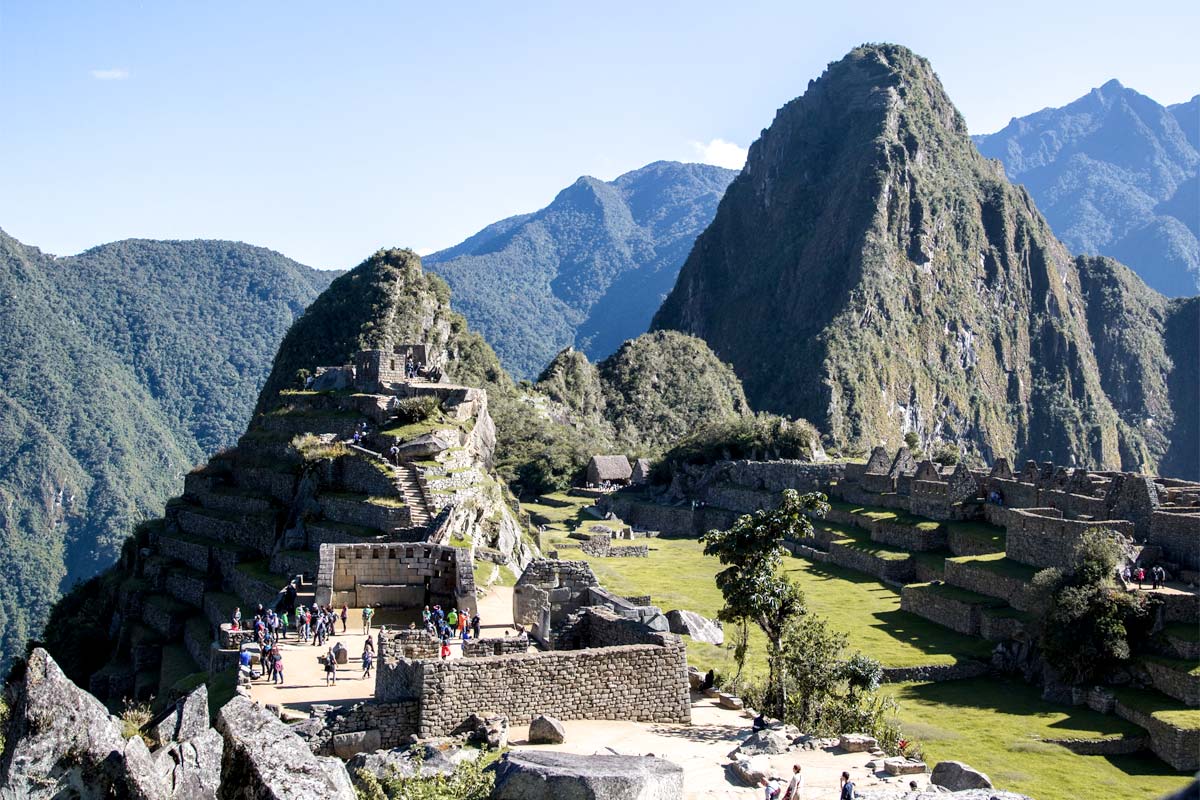
Approximate prices by category
The prices of the Mt Picchu Travel Packages vary quite a bit depending on the service level, the chosen train, the hotel category, and whether extra activities like Huayna Picchu or Machu Picchu Mountain are included. Below, a rough summary by category for a standard 2-day / 1-night package (prices can change depending on the season and the operator):
| Category | Approximate price per person | What it includes |
|---|---|---|
| Budget | US$ 250 – 400 | Expedition or Inca Rail train, bus transfers, simple lodging in Aguas Calientes and guided group tour |
| Standard | US$ 800 – 1,500 | Vistadome train (panoramic), mid-range hotel in Aguas Calientes or Cusco, meals included and shared guide; it is usually the option with the best value for money for most travelers |
| Premium / Luxury | US$ 1,500 – 3,500+ | Luxury lodging, premium train services like Vistadome or Hiram Bingham, gourmet meals, private guides and complete coordination |
For those who choose the classic 4 day Inca Trail, the prices follow a similar logic. While budget operators charge between 620 and 900 dollars, mid-range companies charge between 900 and 1,400 dollars, and premium services go over 1,500 dollars. These amounts already include the government permit, guides, camping gear, meals, and porter support.
Furthermore, it is important to remember that, since 2026, many Inca Trail operators sell the entrance ticket to Machu Picchu separately from the trail permit, so it is always a good idea to confirm exactly what is included before booking. In general, for a full trip (international flights, lodging, meals, transport, and tickets), travelers on a tight budget spend between 800 and 1,200 dollars, mid-range travelers between 1,500 and 2,500 dollars, and luxury travelers between 3,000 and 6,000 dollars.
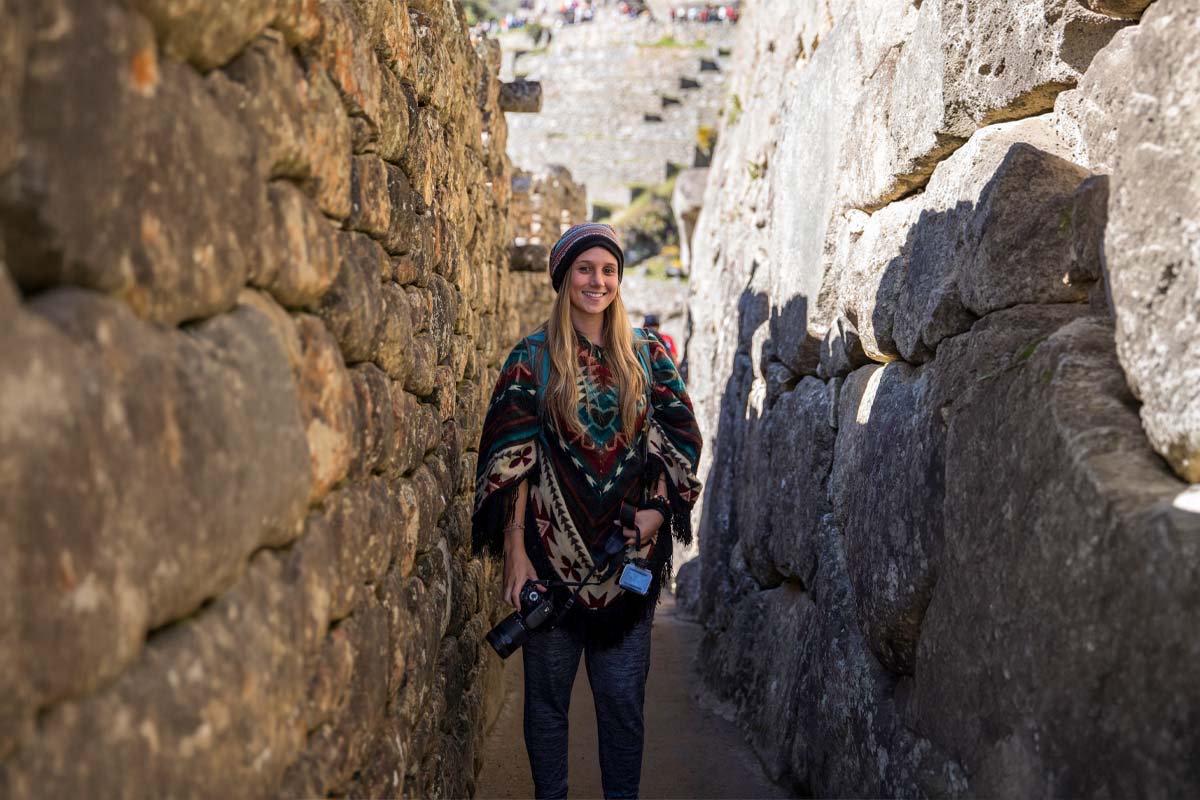
Best time to travel to Machu Picchu
Choosing the right time to book your Mt Picchu Travel Packages can make a big difference in the experience, both for the weather and for the availability of spots and prices. Machu Picchu has two seasons: the dry season and the rainy season.
-
Dry season (April to October)
This is the most recommended time to visit the citadel. The skies are usually clear, rains are minimal, and the conditions are perfect both for exploring Machu Picchu and for taking on treks like the Inca Trail or the Salkantay route. Within this season, the months of June and August have the highest number of tourists (they match with the summer holidays in the northern hemisphere and with the Inti Raymi festivals in Cusco), so prices tend to go up and it is vital to book in advance, especially if you want to include Huayna Picchu or the Inca Trail, whose spots are limited.
For those who prefer to avoid the crowds without giving up good weather, April, May, September, and October (known as the “shoulder season”) offer a perfect balance: mostly dry days, greener landscapes (especially in April and May, after the last rains), and a lower number of visitors.
-
Rainy season (November to March)
During these months, rains are more frequent, especially between January and March, when heavy rainfall can happen, sometimes affecting the train tracks or the trekking trails. It is worth remembering that the Inca Trail traditionally closes for all of February for maintenance, so it is not possible to book this specific route in that month (although Machu Picchu and other routes like Salkantay stay open).
Despite this, traveling in the rainy season has its perks: the landscapes look lush and green, there are fewer tourists, and the prices of the packages (including lodging and tours) are usually lower. November and March, in particular, are transition months where you can still enjoy good weather with a smaller number of visitors.
Summary
| Season | Months | Characteristics |
|---|---|---|
| Dry (high) | June, August | Ideal weather, larger crowds, higher prices |
| Dry (mid) | April, May, Sept., Oct. | Good weather, fewer tourists, better price-to-experience ratio |
| Rainy | Nov. – March | Green landscapes, lower costs, higher chance of rain (Inca Trail closed in February) |
Regardless of the chosen month, booking the Mt Picchu Travel Packages in advance (especially if trekking routes or mountain climbs are included), remains the best strategy to secure a spot and the best rates.
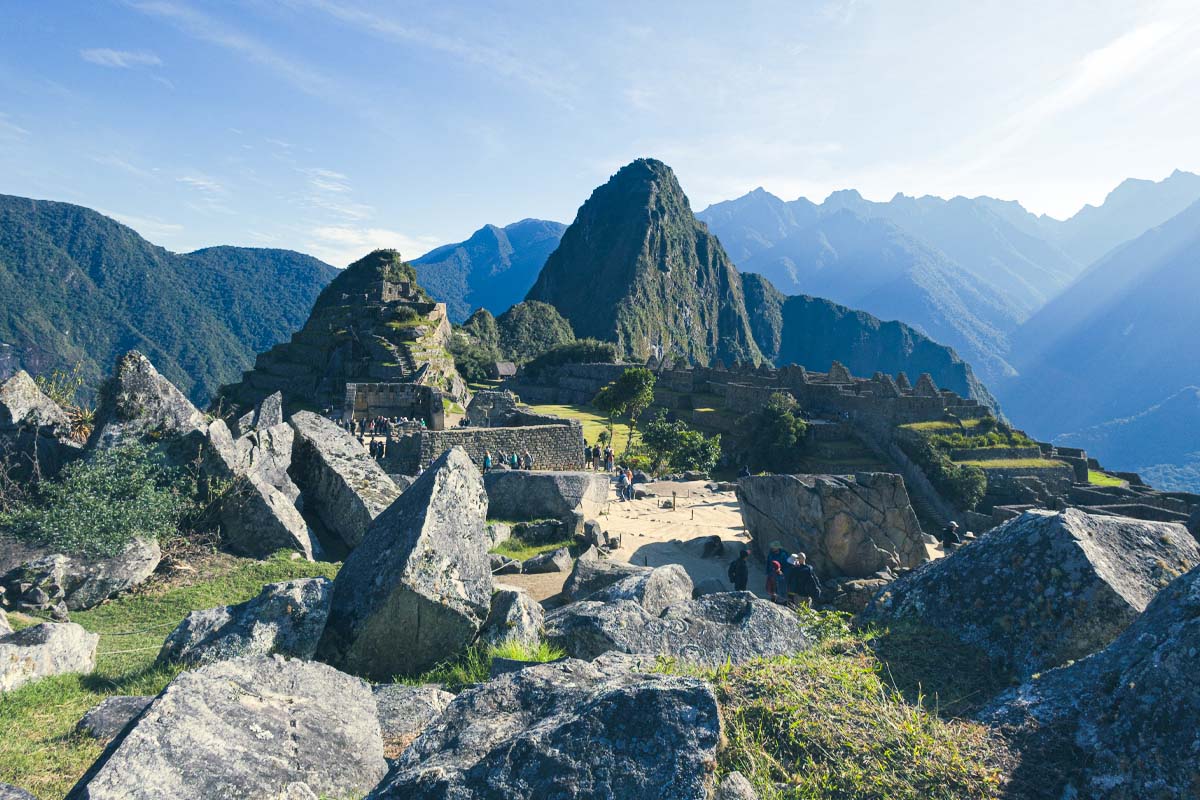
What to consider before booking
Before confirming any of the Mt Picchu Travel Packages, it is important to keep in mind some key factors that can directly affect the quality of the experience and the availability of the trip itself.
1. Necessary advance notice (limited permits and tickets)Machu Picchu is not a last-minute destination. The Peruvian government strictly regulates the number of daily visitors through a quota system. This means that both the entrance ticket to the citadel and the permits for Huayna Picchu, Machu Picchu Mountain, or the Inca Trail can sell out weeks or even months in advance, especially in the high season (June–August). Furthermore, the Inca Trail is particularly sensitive in this matter: permits are limited to a small number of trekkers per day (including porters and guides), so it is recommended to book between 4 and 6 months before the desired date. For standard packages without trekking, a 1 to 2 month advance notice is usually enough, although it is always better to book as soon as possible. |
2. Altitude and acclimatizationCusco is located at about 3,400 meters above sea level, and many travelers experience symptoms of altitude sickness (soroche) upon arriving, such as headache, fatigue, nausea, or shortness of breath. Machu Picchu, on the other hand, is at a considerably lower altitude (around 2,430 meters above sea level), which offers some relief once there. Even so, it is highly recommended to set aside at least 1 to 2 days for acclimatization in Cusco or the Sacred Valley before starting any demanding physical activity. Avoid alcohol for the first 24-48 hours, stay well hydrated, and consider coca tea, a traditional remedy widely used in the area. People with heart or breathing conditions must consult a doctor before traveling. |
3. Required physical level (if it includes trekking)Not all Mt Picchu Travel Packages require the same level of physical fitness. A standard full-day or 2-day/1-night package, focused on train and bus, requires minimal physical effort and is accessible to almost anyone, including families with children or older adults. However, if the package includes trekking, such as the Inca Trail (4 days) or the Salkantay Trek (5 days), the physical demand increases a lot: you walk between 6 and 10 hours a day on mountain trails, with steep sections and altitudes that exceed 4,200 meters above sea level at points like the Warmiwañusca Pass (“Dead Woman”), the highest point of the Inca Trail. It is recommended to have a good level of physical fitness, to have done prior training (long walks, cardio) and, above all, to be properly acclimatized before starting the route. |
In conclusion, taking the time to review these three factors (advance notice, altitude, and physical demand) before booking helps to choose the right package and to enjoy Machu Picchu in the safest and most pleasant way possible.
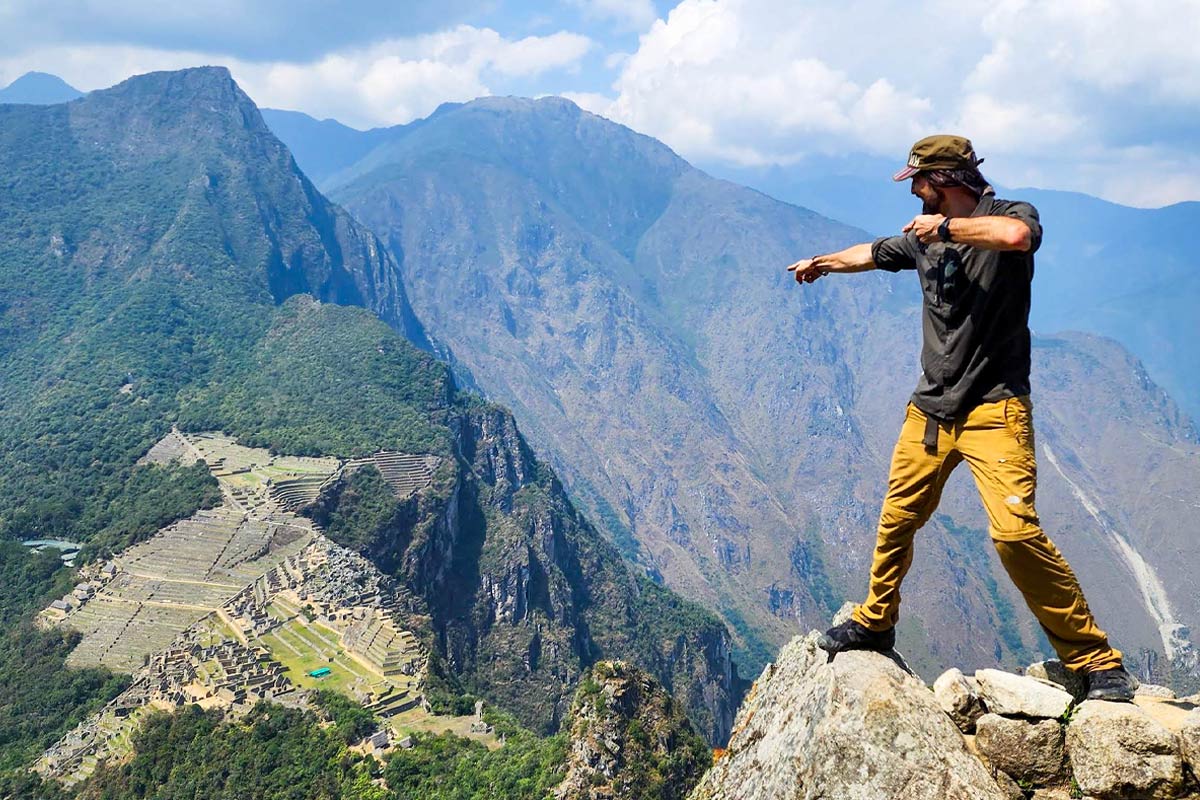
Frequently asked questions about Mt Picchu Travel Packages
- What does an all-inclusive package to Machu Picchu include?
It usually includes transport (train and bus), entrance tickets to the citadel, lodging, meals, and a certified guide. Premium packages often add extra services like panoramic trains, private guides, and luxury hotels. It is important to always check the details of each package, since some do not include tickets to Huayna Picchu or Machu Picchu Mountain, which are bought separately. - How much does an all-inclusive package cost on average?
The price changes depending on the category: budget packages go from US$ 250 to US$ 400, standard ones between US$ 800 and US$ 1,500, and premium ones can be over US$ 3,500 per person. The final cost depends on the length of the trip, the type of train, the hotel category, and if extra activities like the Inca Trail are included. - Do I need to book in advance?
Yes, it is highly recommended. Machu Picchu has limited daily spots, and routes like the Inca Trail can sell out 4 to 6 months in advance, especially in the high season (June–August). For standard packages without trekking, booking 1 to 2 months in advance is usually enough. - What is the best time of the year to visit Machu Picchu?
The dry season (April to October) is the most recommended because of its stable weather. The months from June to August have more crowds and higher prices, while April, May, September, and October offer a good balance between weather and a smaller number of tourists. - Is a guide necessary to visit Machu Picchu?
Yes, currently the Peruvian rules demand that all visitors enter accompanied by a certified guide, whether in a group or privately. This is part of the conservation measures of the site and helps to improve the experience with historical and cultural context. - What documents do I need to enter Machu Picchu?
The original passport is required (copies are not accepted) both to buy the entrance ticket and to board the train and check in at the hotels. It is essential that the name on the ticket matches exactly with the one on the identity document. - Can I visit Machu Picchu without buying a package, on my own?
Yes, it is possible to organize the trip independently by buying each part separately (tickets, train, hotel, guide). However, this requires more planning time and knowledge of the Peruvian booking system, which is why many travelers prefer all-inclusive packages to make the process simpler. - What happens if it rains during my visit?
Machu Picchu receives visitors all year round, even in the rainy season (November to March). It is recommended to bring waterproof clothes, a backpack cover, and proper shoes. Rains are usually on and off and rarely stop you from completing the visit, except in rare cases of severe weather events. - How many days are recommended for the complete trip?
A minimum of 3 to 4 days is recommended considering the acclimatization in Cusco, the transfer, and the visit to Machu Picchu. For those who include trekking like the Inca Trail or Salkantay, the complete trip can be extended to 5 to 7 days. - Do the packages include the ticket to Huayna Picchu or Machu Picchu Mountain?
Not always. Many packages offer these routes as an optional extra, since they have limited spots and entrance times that are separate from the general ticket. It is recommended to confirm and book in advance if you wish to include any of these extra hikes.
