

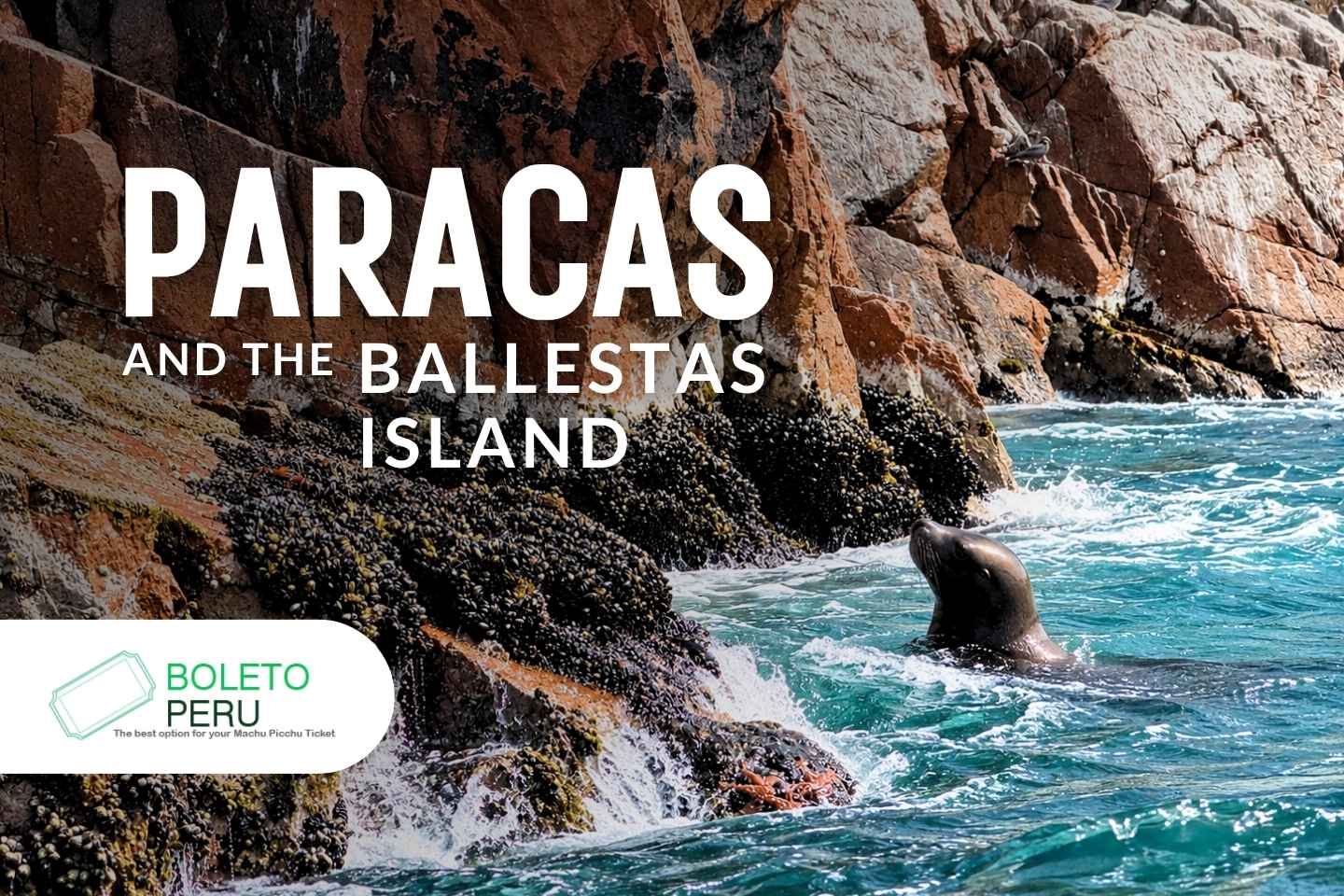
Can you imagine walking through a desert surrounded by sea lions and birds? That is exactly what Paracas offers, with dunes and sand on one side, and a coast where the sea holds an activity that surprises anyone who does not know it. The contrast between both landscapes is what makes this destination something different along the Peruvian coast.
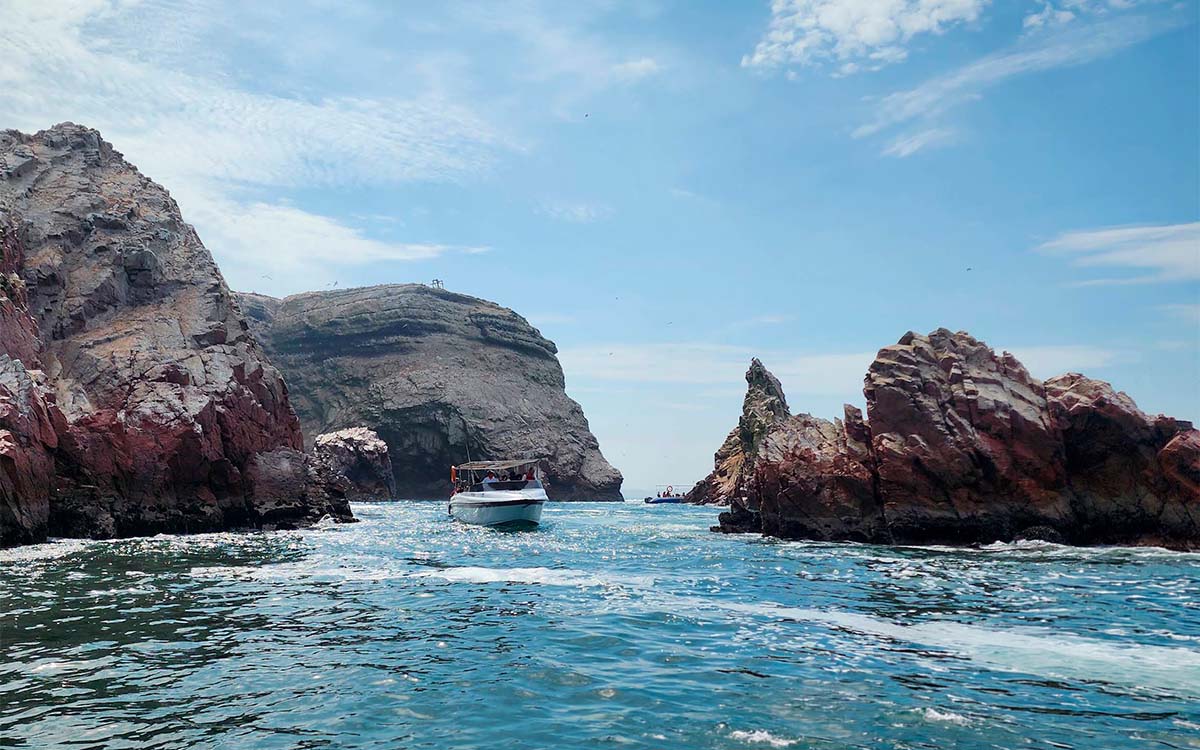
A few minutes by boat from the port, the Ballestas Islands bring together a good amount of marine life: guano birds, sea lions, and, at certain times, Humboldt penguins. For this reason, many travelers and guides compare them to the Galapagos, though in a smaller and more accessible version. In a tour of a couple of hours, it is possible to see several species up close without needing to travel very far from the shore.
Paracas is about 3.5 hours from Lima by road, which makes it an easy destination to add to other plans in the south of the country. It works well as a day trip from the capital, or as a starting point to continue towards Ica, Huacachina, or Nazca. It is a practical mix of nature, history, and marine life in a relatively compact area.
Where are Paracas and the Ballestas Islands?
Paracas is located in the Ica region, on the southern coast of Peru, about 260 kilometers from Lima. It is common for travelers to take it as a first stop when leaving the capital, before continuing towards other southern points like Ica or Nazca.
It is good to keep in mind that “Paracas” does not refer to a single place, but to two different areas that are usually visited together:
- The Paracas National Reserve, which is the land part, a protected area of coastal desert with beaches, viewpoints, and rock formations, plus archaeological remains of the Paracas culture.
- The Ballestas Islands, which are the sea part: a group of rocky islets off the coast, which can only be reached by boat and where most of the marine life of the area is concentrated.
In other words, the reserve is toured by land and the islands are visited by sea; they are two different experiences within the same destination, and most itineraries combine them in a single day of visit.
How to get to Paracas and the Ballestas Islands
There are several ways to get to Paracas depending on your starting point and the time you have available for the trip.
- From Lima: The most common option is to take a direct bus from Lima, with a travel time of about 3.5 hours along the Panamericana Sur. Several transport companies cover this route with regular departures during the day. It is also possible to book a full-day tour from Lima, which generally includes round-trip transport, the boat ride to the Ballestas Islands, and, in some cases, a brief stop at the Paracas National Reserve. This alternative is practical for those who have little time and do not want to deal with the trip logistics.
- Combining with Ica and Huacachina: Paracas is easily combined with other nearby destinations in the Ica region. Huacachina, the famous oasis surrounded by dunes, is just a 15-minute drive from Paracas, which allows visiting both places on the same day or on a short weekend getaway.
- Combining with Nazca: For those arriving from the south or planning to continue the trip in that direction, Paracas can also be integrated into a route towards Nazca, known for its lines and geoglyphs.
The Ballestas Islands tour
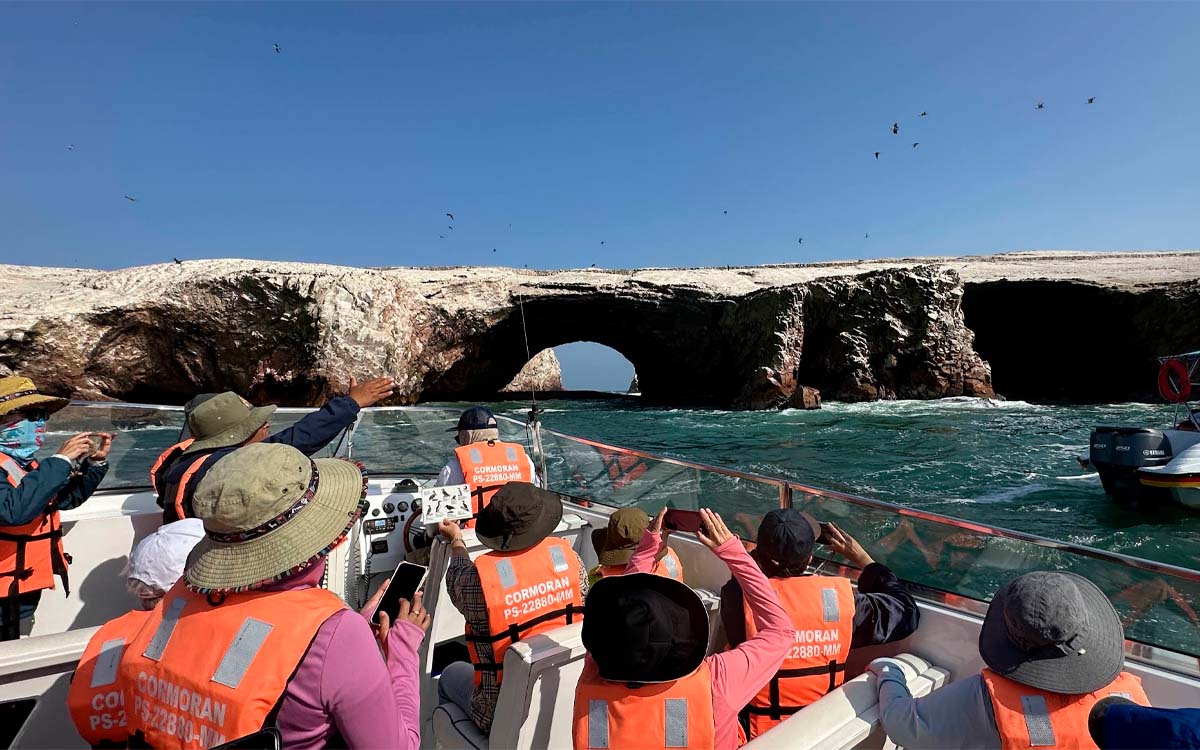
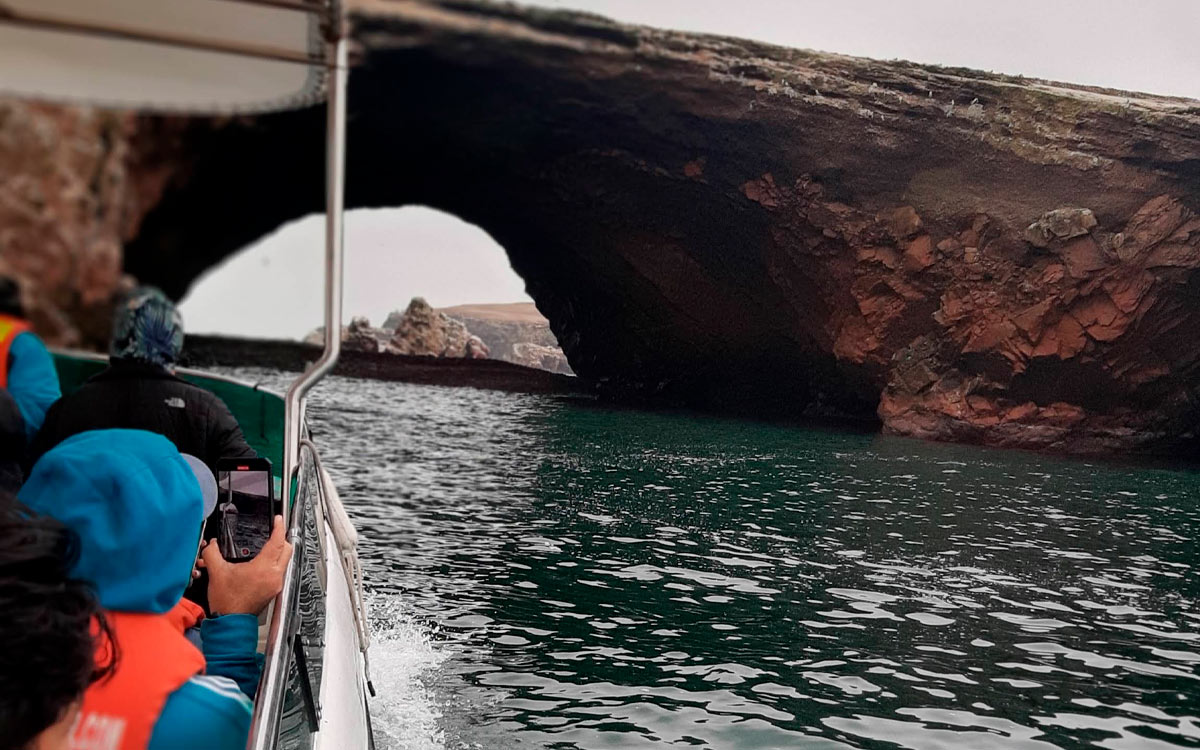
The boat ride to the Ballestas Islands is the main activity of any visit to Paracas and is usually the first thing travelers book when planning the trip.
Duration, schedule, and how to book
The tour takes about 2 hours, counting the departure and return to the port. The boats usually leave in the early morning, between 7:00 and 10:00 a.m., since that is the time when there are smaller waves and higher wildlife activity.
You can book directly at the port of Paracas on the same day, although in high season it is recommended to do it in advance through a local agency, since boat spots are limited and the most requested departures fill up fast.
What wildlife will you see?
During the trip it is possible to watch different species that live on the islands and their surroundings:
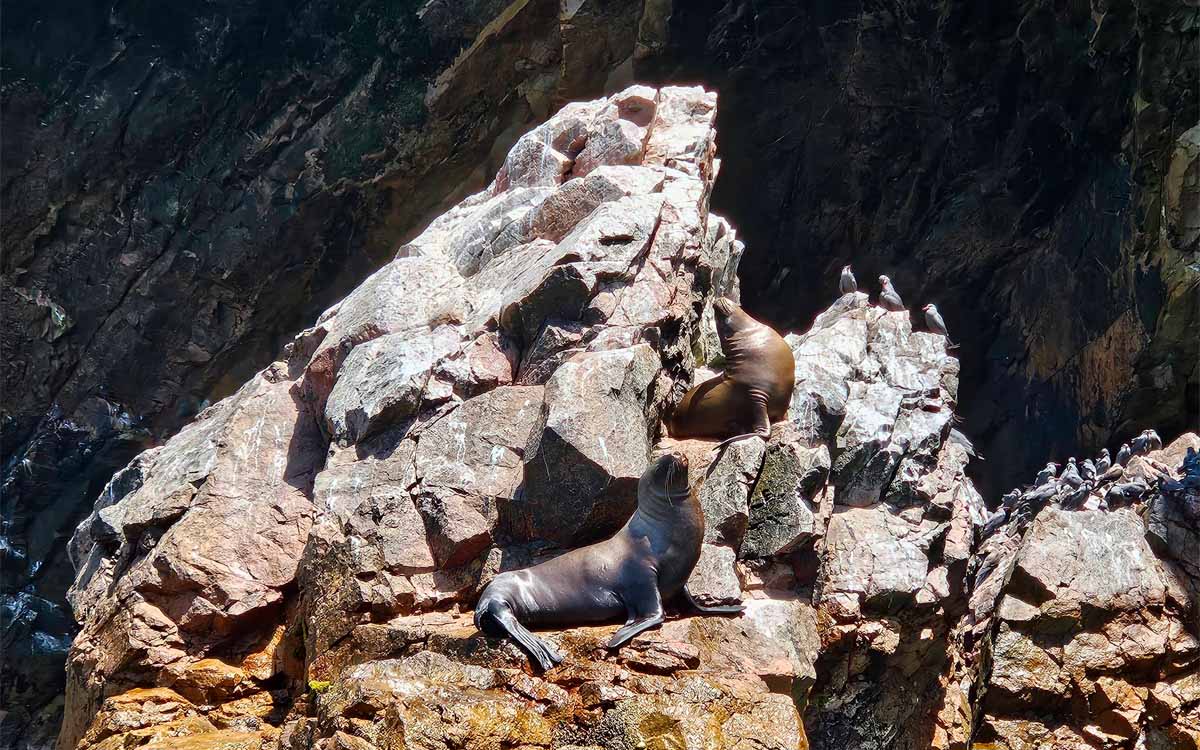
- Sea lions, which group on the rocks and are usually the most photographed part of the tour.
- Humboldt penguins, present for much of the year, although in smaller numbers than other species.
- Guano birds, like boobies and guans, which cover a big part of the cliffs and are the reason why these islands were historically mined for guano extraction.
The amount and variety of wildlife can change depending on the season, so not all trips see the exact same things.
The Paracas Candelabra
On the way to the islands, the boat goes past the Paracas Candelabra, a geoglyph carved into the side of a dune that can only be seen from the sea. Its origin and meaning are still debated by researchers, adding an extra point of interest to the trip before reaching the islands.
About the Paracas National Reserve
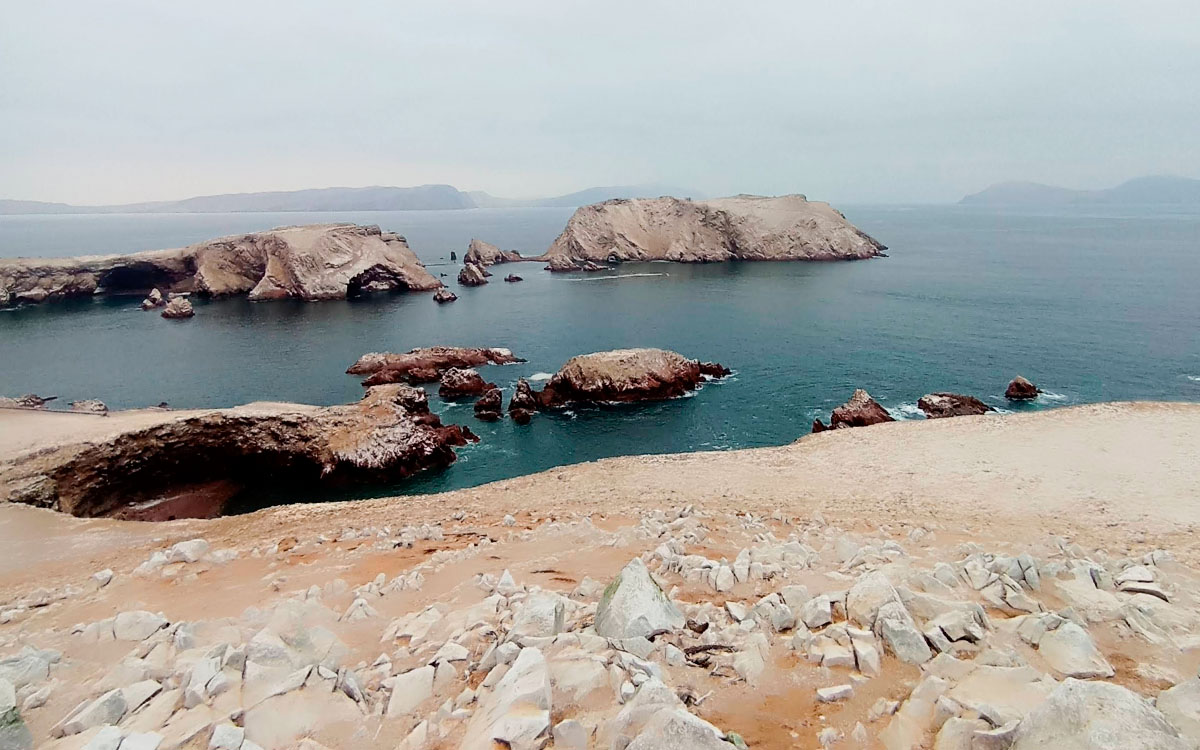
Beyond the boat ride, the Paracas National Reserve offers a land portion that many travelers tour after visiting the islands, either on their own or as part of an organized tour.
Inside the reserve there are several spots that can be visited in a half-day trip:
- Beaches like La Catedral or Yumaque, with rock formations and calm waters, ideal for a short stop.
- Viewpoints located in different parts of the reserve, from where you can see the contrast between the desert and the sea.
- The Julio C. Tello Site Museum, which gathers pieces from the Paracas culture and offers context about the civilizations that lived in the area before the arrival of the Spaniards.
These spots are usually visited in a single vehicle tour, with stops of 15 to 20 minutes at each one.
For those looking for a more active experience, there are bicycle or buggy tours that go through the desert areas of the reserve. These trips usually include stops at viewpoints and driving or pedaling sections over the dunes, and are a different alternative to the traditional car tour.
Coastal wildlife vs. Andean wildlife
The wildlife seen in Paracas (sea lions, penguins, and guano birds) contrasts with the wildlife found in the high Andean areas of the country, like the Andean condor or camelids like the llama, alpaca, and vicuña. If your itinerary includes both the coast and the highlands, it is a good chance to compare two completely different ecosystems within the same trip through Peru.
Best time to visit
The weather in Paracas is desert-like throughout the year, with warm temperatures and very little rain, which allows visiting it at any time. Even so, there are some differences depending on the season that are worth considering.
- High season goes from May to October, matching the vacation months and with a somewhat cooler and stable weather, ideal for the boat tour. It is when there are more tourists and it is a good idea to book the Ballestas Islands tour in advance.
- Low season happens between December and March, with higher temperatures and fewer visitors. Prices for tours and lodging are usually more affordable in these months, although the heat can be stronger during the peak sun hours.
Regarding wildlife, sea lions and guano birds can be seen all year round, while Humboldt penguins are usually seen more often during the colder months. Anyway, no sighting is 100% guaranteed, since it depends on the natural behavior of each species.
If your route includes other regions of Peru with very different weather, like Cusco, it is a good idea to check separately what the weather is like in that area or what to expect during the month of May, since conditions in the highlands can vary quite a bit compared to the coast and affect how you plan an itinerary that combines both destinations.
What to eat in Paracas?
Being right in front of the sea, the food options in Paracas mainly revolve around fresh seafood and fish. Dishes like ceviche, shrimp chowder, or choritos a la chalaca are common in the restaurants of the area, many of them located in front of the boardwalk with sea views.
Due to its closeness to Ica, the most important wine region in Peru, Paracas is also a good place to try pisco, the grape spirit that usually goes with seafood dishes or is served as a pisco sour before the meal. Several local wineries offer visits and tastings for those who want to know more about the production process.
This variety is part of a broader picture within Peruvian food, which changes quite a bit depending on the region: while the coast stands out for its seafood and ceviches, other areas of the country have very different products and ingredients, shaped by their own geography and tradition.
Travel itinerary: Paracas in 1 or 2 days
Depending on the time you have available, there are two main ways to plan your visit to Paracas: as a quick getaway from Lima or as part of a longer route through the south of the country.
Full-day option from Lima
For those who only have one day, it is possible to do the whole trip in a single day:
- 5:00 – 6:00 a.m.: Departure from Lima by bus or organized tour.
- 9:00 – 9:30 a.m.: Arrival in Paracas.
- 10:00 a.m.: Boat tour to the Ballestas Islands (approximately 2 hours).
- 1:00 p.m.: Lunch by the sea, with the option to try ceviche or some local seafood dish.
- 2:30 – 5:00 p.m.: Tour of the Paracas National Reserve (beaches, viewpoints, and site museum).
- 6:00 p.m.: Return to Lima.
It is an intense day, but enough to see the essentials of the destination without needing to stay overnight.
Combined option: Paracas + Ica + Huacachina (2-3 days)
If you have more time, it is a good idea to extend the trip and combine Paracas with other nearby spots in the Ica region:
- Day 1: Arrival in Paracas, boat tour to the Ballestas Islands, and free afternoon in the reserve or the boardwalk.
- Day 2: Transfer to Huacachina (just 15 minutes away), with activities like sandboarding or a buggy ride through the dunes, plus time to visit pisco wineries in Ica.
- Day 3: Depending on available time, this route can extend to Nazca to see its lines and geoglyphs.
This multi-day itinerary allows you to make better use of the closeness between these destinations and avoids repeating long transport stretches, since Paracas, Ica, and Huacachina practically form a single route within the southern coast. Later on, this area can be included within a broader guide of Peru’s southern route, grouping these destinations together with Arequipa and Cusco for those planning a more extensive journey.
Practical tips
Before finishing, some useful tips to make your visit to Paracas and the Ballestas Islands more comfortable:
- Use sunscreen and bring it with you throughout the day. The sun on the desert coast is intense, even on cloudy days, and there is not much shade available either on the boat or during the tours of the reserve.
- If you get motion sickness easily, take precautions before the boat ride. The sea can be somewhat choppy depending on the day, so it is a good idea to have a light breakfast and, if necessary, bring some motion sickness medicine.
- Book in advance during high season. Between May and October, spots for the Ballestas Islands tour fill up fast, especially during the morning times, which are the most requested.
- Bring a cap, sunglasses, and some light warm clothing. The wind on the boat can feel cool even on warm days.
- Check that the tour is authorized. As in any tourist destination in Peru, it is a good idea to book through recognized agencies or directly at the official port, and avoid price offers well below the average. If you want more details on this type of precaution, you can check this guide on how to avoid scams in tourist destinations in Peru, with recommendations that apply beyond Cusco.
