

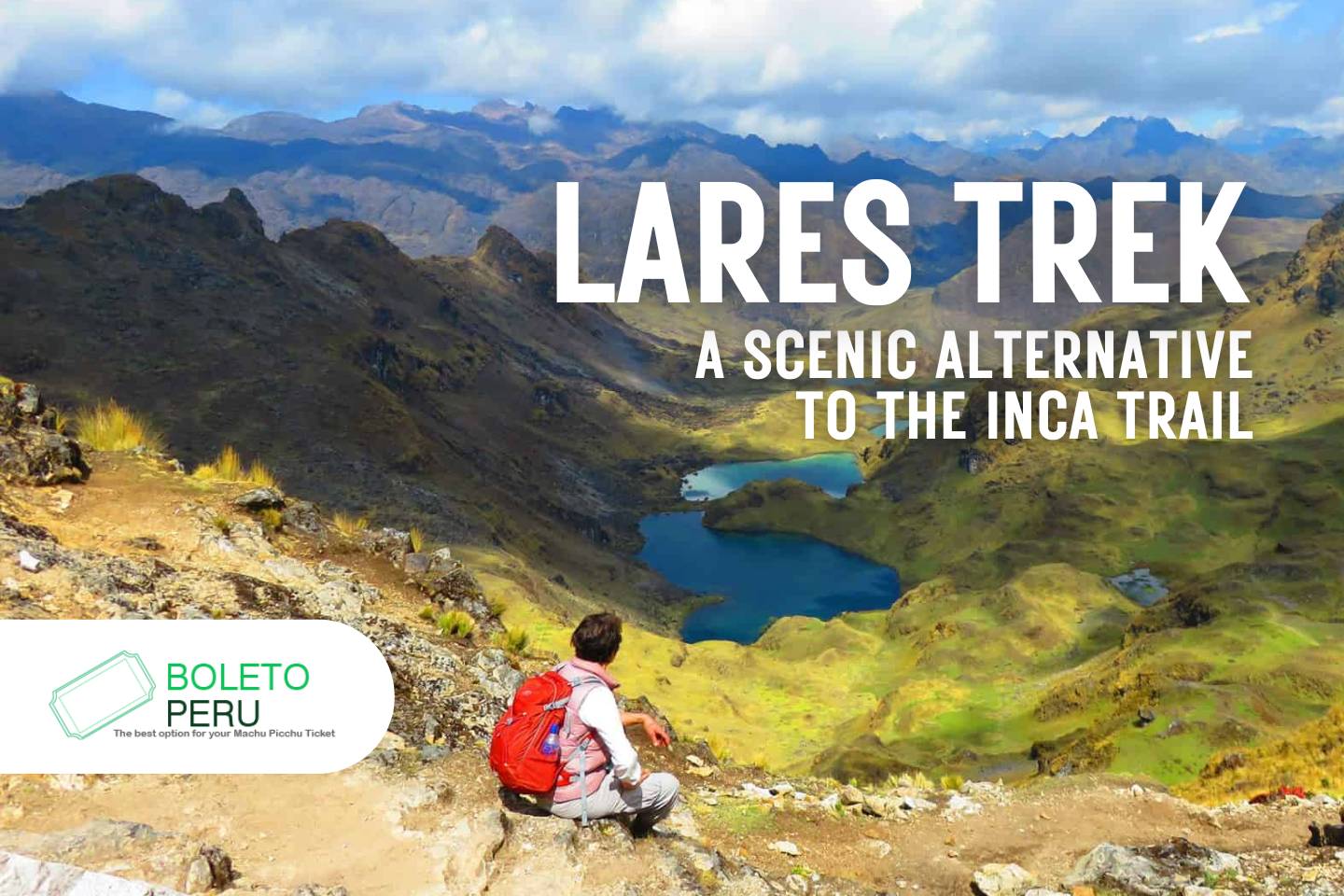
There is a route that has much fewer tourists, offers a much deeper cultural immersion and, in the end, takes you to the same destination: Machu Picchu. It is called the Lares Trek, and although few travelers have it on their radar, it is an option that any trekking lover should seriously consider.
This route takes you through ancient Andean trails, where you have the real opportunity to talk and share with Quechua communities that still live in the heights, keeping their traditions. It is a demanding path, yes, but it ends exactly like the most popular routes: in front of one of the most impressive wonders of the world.
In this guide we tell you why the Lares Trek can be the best decision if what you are looking for is an authentic, real experience and much closer to the essence of the Andes.
What is the Lares Trek?
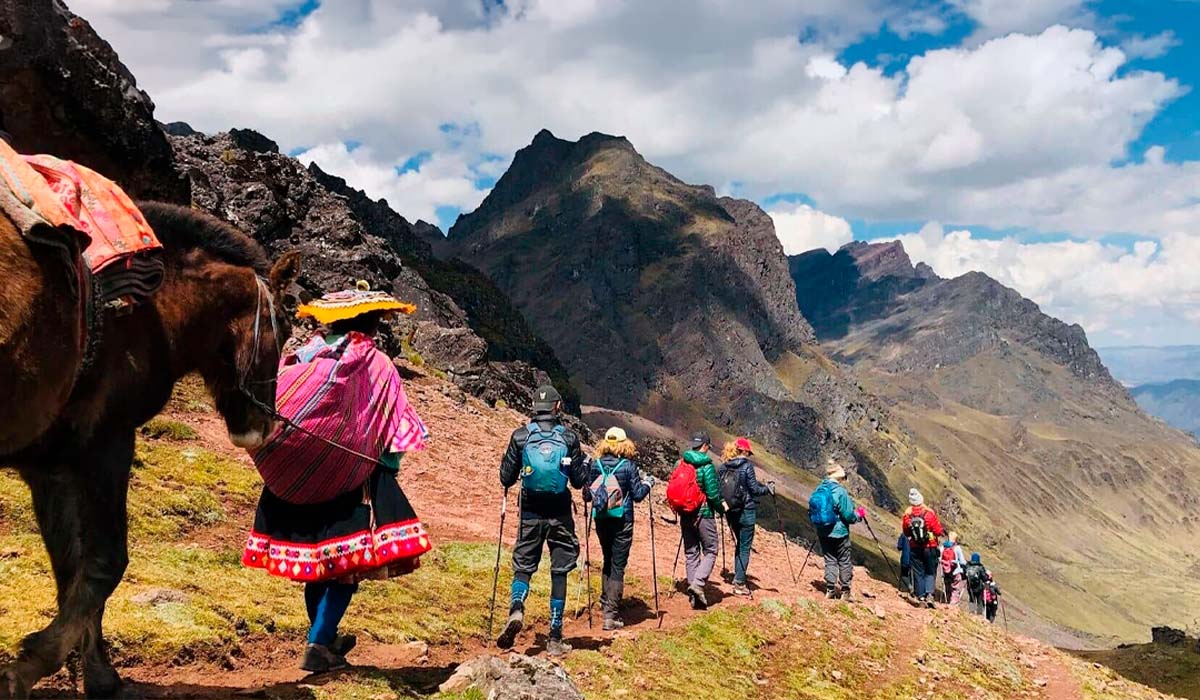
The Lares Trek is the most known alternative to the classic Inca Trail, and for good reasons. This route crosses the heart of the Peruvian Andes: deep valleys, glacier lagoons, steep mountain passes, and real Quechua communities that continue living as they have done for generations. That is, in fact, the biggest difference of this route: here you will see families weaving by hand as their ancestors have done, children in traditional clothes, and farmers working the land.
Furthermore, this route began to become popular as a calmer and more authentic option, right at the time when permits for the Inca Trail started to be harder to get. It is worth mentioning that the Lares Trek was not an Inca ceremonial trail as such, but it does follow the same routes that local communities have used for generations to move and trade between the towns of the area.
-
About the Lares Valley
The Lares Valley has been inhabited by Quechua communities since pre-Inca times. And although tourism has reached the area, the way of life and the worldview of these communities remain practically intact. Therefore, every section you walk on this route is, literally, the same path that connected the most remote towns of the mountain range centuries ago.
-
The encounter with local communities
Along the Lares Trek, you will pass through communities like Huacawasi, Cuncani, and Patacancha. In these high-altitude towns, it is common for travelers to have the chance to get to know the people who live there up close. Likewise, if you do the route with an organized tour, it is likely that you can see traditional weaving demonstrations and even share a lunch with a local family, an experience that for many ends up being the most memorable part of the whole trip.
General data of the Lares Trek
- Duration: 3 to 5 days, depending on the chosen route
- Maximum altitude: 4,750 m (Condor Pass)
- Difficulty: Moderate to high
- Start: Lares community
- End: Aguas Calientes – Machu Picchu
- Cultural aspect: Strong contact with Quechua communities
Duration and Routes of the Lares Trek
The Lares Trek has several variants, depending on the time you have and the intensity you are looking for. Here we detail the classic route, the most recommended and popular among those who do this trek.
Classic route: 4 days
- Day 1: Cusco – Lares – Hot Springs – Blue Lagoon
The first day begins early, leaving Cusco toward Lares. On the way, you will be able to see unique plants of the area, like the imposing Raimondi Puyas. Upon arriving in Lares, you will be able to relax a bit in the local hot springs before continuing to walk to the first camp, next to the Blue Lagoon, a beautiful place surrounded by waterfalls, llamas, and alpacas grazing freely. - Day 2: Blue Lagoon – Condor Pass – Canchacancha Community
This is, without a doubt, the most physically demanding day. You will have to climb up to the Condor Pass, which is at 4,750 meters above sea level. The effort is real, but the reward is too: from above you will have an impressive view of intense turquoise glacier lagoons. After going down a bit, you will reach the Canchacancha community, where you will be able to spend some time with the locals, including the children of the community. - Day 3: Canchacancha – Huaran – Ollantaytambo – Aguas Calientes
The third day is downhill, entering the Sacred Valley. You will walk with spectacular views and enjoy a delicious country lunch on the way. Afterward, you will visit the Maras Salt Mines and the Ollantaytambo archaeological site; to close the day, you will take the Expedition train to Aguas Calientes, where you will spend the night in a hotel, resting before the big day. - Day 4: Machu Picchu
The last day is, literally, the reason why you did this entire route. You will arrive early to see Machu Picchu with the first lights of the day. After a guided tour through the most important points of the citadel, if you still have energy, you can climb Huayna Picchu or Machu Picchu Mountain for an even better panoramic view. In the afternoon, you will return on the Vistadome train, with large windows to enjoy the landscape on the way back.
Short route: 3 days / 2 nights
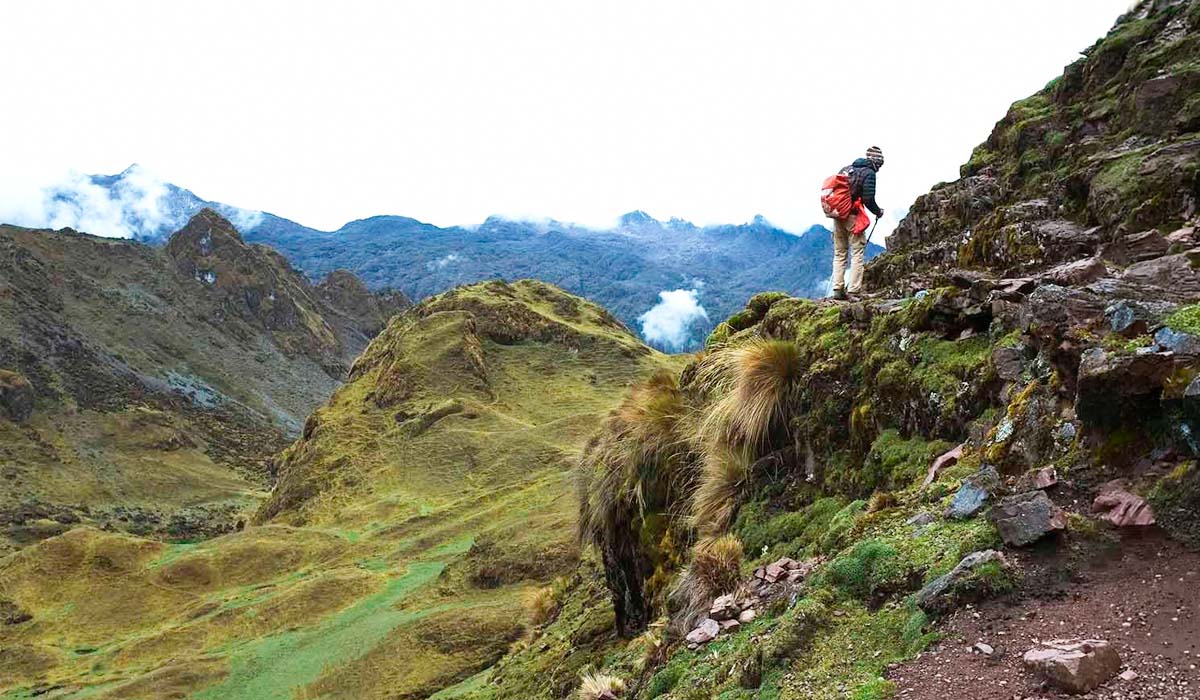
If you do not have much time available, this is an excellent alternative. Some long sections and intermediate communities are skipped to shorten the route, but without losing the essentials: the cultural essence and the landscapes that make the Lares Trek special remain intact. It is ideal if you want to live the experience without committing several full days of your trip.
Extended Route (5 Days / 4 Nights)
For those looking for a deep immersion, this option is positioned as the biggest challenge. In this sense, the expanded itinerary requires moving forward through a larger number of native communities, this logistical variant gives you options to discover glacier lagoons, and will even provide you with the opportunity to carry out short but valuable volunteer work and direct support within the Quechua communities.
Costs, agencies, and permits of the Lares Trek
Before deciding how to do the Lares Trek, it is worth thinking about whether you want to do it on your own or with an agency. If you decide to go on your own, the approximate budget is between 200 and 300 USD, but you will have to organize the transport, food, and equipment yourself. If instead you prefer to go with an agency, the cost goes up to between 450 and 650 USD, but in return you get everything included: guides, muleteers, accommodation, meals, and mules to carry the heavy equipment. Unlike the Inca Trail, the Lares Trek does not require special government permits, although you do need to buy the official Machu Picchu ticket if your plan is to finish the tour visiting the citadel.
How to choose an agency, accommodation, and services on the route
If you decide to go with an agency, look for one that works fairly with local communities, pays its porters well, and has good references. Also make sure they guarantee your entrance to Machu Picchu and the return to Cusco without problems.
As for accommodation, most nights you sleep in mountain tents that the support team sets up for you, although on some routes it is also possible to stay in homes of local families, which is a quite special experience. During the tour, they also provide boiled water to fill your canteen, a first aid kit, and pack animals for the heaviest equipment. Keep in mind that in this area there is almost no phone signal or electricity, so it is a good idea to bring a charged external battery. Bathrooms are usually portable latrines or very basic community facilities, so go prepared for that.
What do you eat on the route?
The food during the tour is designed to keep you energized on demanding terrain. Breakfasts usually include oatmeal, quinoa, eggs, and the classic coca tea, which helps a lot with the altitude. For lunch and dinner, there are normally Andean soups, meats like chicken or trout, accompanied by carbohydrates and vegetables. During the walks they also give you snacks like fresh fruit, nuts, and energy bars. If you are vegetarian or vegan, most agencies can adapt the menu without a problem, just let them know in advance.
The best of the Lares Trek
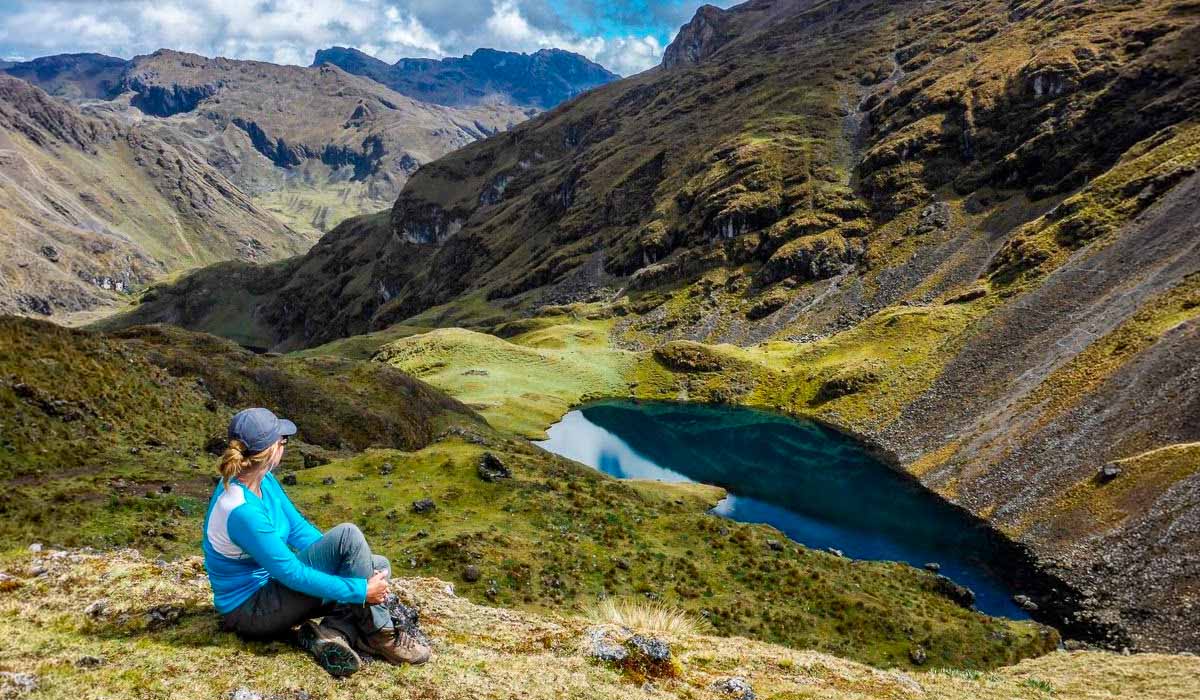
This route has several moments that make it completely worth it. Everything starts by relaxing the muscles in the Lares hot springs, ideal to prepare yourself before the effort to come. Then, the biggest physical challenge: the Condor Pass, at more than 4,750 meters high, with a view that makes you forget the tiredness. On the way you will also pass by glacial lagoons with water so clear they look like mirrors, surrounded by snowy mountains. And in communities like Canchacancha and Patacancha, you will be able to see up close weaving techniques that have remained almost unchanged for generations. Every night, moreover, you set up camp under a completely clear sky, with a view of the Milky Way that can rarely be seen like this anywhere else in the world.
Does the Lares Trek take you straight to Machu Picchu?
No. The difference with the classic Inca Trail is that the Lares Trek does not end by walking directly to the citadel; instead, you arrive in Ollantaytambo, where you take a train to Aguas Calientes, the base town to visit Machu Picchu. From there, you can go up by bus or walk to the entrance of the citadel. Most agencies offer complete packages that combine the trekking with the guided visit to Machu Picchu the next day, so you end up living both experiences without having to organize them separately.
What is the best time to do the Lares Trek?
The best date to go depends a lot on how willing you are to deal with the rain or the cold. Here we explain the two main seasons:
- Dry season (May, July, August, September, and October)
This is the most stable season of the year. The skies are clear almost all the time and the ground stays firm, ideal for walking without problems. The hard part is that, without clouds to hold the heat, the nights can be quite cold, so you need good thermal gear to sleep comfortably. - Rainy season (November to April)
During these months, rains dominate the area, which means more slippery roads and more unpredictable weather. But it also has its advantages: there are far fewer tourists, prices are usually lower, and the landscape looks incredibly green. If you decide to travel in this season, just make sure to bring good quality waterproof clothing, because you are going to need it.
Physical preparation before starting
Doing the Lares Trek requires a body prepared for the effort and the altitude. The ideal thing is to start training at least four weeks in advance, following more or less this order:
- First two weeks: walk twice a week, between 45 and 60 minutes, including some slopes to get your legs used to it. It is also worth doing strength exercises like squats and lunges to strengthen your legs.
- Next two weeks: increase the intensity with longer walks, 2 to 3 hours, carrying a backpack with a weight similar to what you will carry on the route (5 to 7 kg). Add to this some light cardio, like biking or light jogging.
Once you arrive in Cusco, take 1 to 2 days of rest before starting the trek. It is key for your body to adapt to the altitude. During those days, hydrate well and avoid alcohol completely.
The positive impact on local communities
Doing the Lares Trek is not just an experience for you: it can also create a real and positive impact on the Quechua communities in the area. This happens in several ways
- The money goes directly to the families through local accommodations (homestays) and the direct purchase of their textiles, without middlemen.
- Decent jobs are created for muleteers, mountain cooks, and local guides.
- It helps keep alive a textile tradition that has centuries of history.
For this reason, it is worth choosing agencies that pay their staff fairly, that have clear policies to reduce the use of plastic, and that actively support education in the region.
Health and prevention during the route
At this altitude, the body faces a real challenge: altitude sickness, known as soroche. The first symptoms are usually a headache, nausea, and lack of appetite.
If you start to feel any of these symptoms, the recommended thing is to stop, hydrate well, and drink hot coca tea, which usually helps a lot. But if the symptoms get worse, with constant vomiting or trouble breathing, the most important thing is to go down in altitude as soon as possible and look for medical attention. That is why it is so important to travel with international travel insurance that covers medical evacuations in mountain areas.
The wildlife and flora you will find on the way
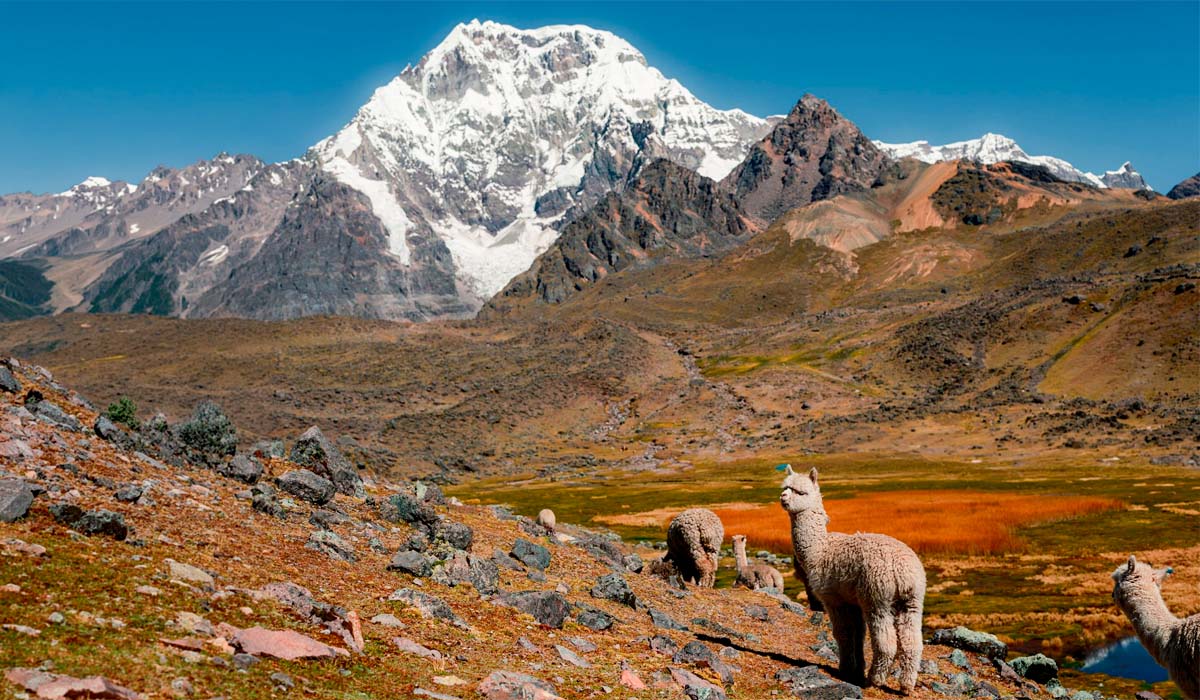
The route is full of life that is worth watching calmly. You will see llamas, alpacas, and sheep grazing, as well as wild animals like vizcachas, birds like the Andean caracara, and the small hummingbirds that, surprisingly, manage to survive the intense cold of the altitude.
As for the vegetation, in the highest areas you will find the imposing Puyas de Raimondi, as well as large meadows of ichu, the typical grass of the Andean heights. Lower down, in the valleys, the landscape changes to queñuales forests, native trees able to resist the strongest frosts of the mountain range.
Key tips for the Lares Trek
Acclimatization and physical condition
Adapting to the altitude is the first thing you should keep in mind. Before starting the trek, stay in Cusco for at least 1 or 2 days. Use that time to do light walks, hydrate well, and avoid intense physical efforts, to help your body get used to the altitude. You do not need to be an athlete to do this route, but it helps a lot to have trained a little before, especially walking with weight.
Guided tour or on your own?
If you have previous experience in high mountain trekking, you can consider doing it on your own. But the most recommended thing, especially if it is your first time, is to go with an organized tour specialized in this route. It gives you the support of official guides, food already organized, porters who help you with the equipment, and it also allows you to connect more genuinely with the local communities.
What to bring
For this route, your gear should include:
- A light backpack (15L) with a waterproof cover
- Clothing in layers: a base thermal layer, something warm, and a windbreaker jacket
- Breathable shirts and waterproof clothing
- Trekking boots with good grip and thick socks
- Trekking poles to protect your knees
- Sleeping bag suitable for below-zero temperatures
- Hat, sunglasses, and sunscreen with good protection
- Headlamp, toilet paper, and a basic first aid kit
Food and water on the route
Always bring energy snacks and a bottle with a filter or water purifying tablets. If you go with a tour, they take care of all the food; if you go on your own, plan your rations well, because there are no stores on the way.
Safety and health
- Drink water constantly and eat light portions during the day.
- Rest well before facing the most demanding sections.
- Hire guides with an official license and first aid training.
- Always travel with travel insurance that covers evacuations due to altitude sickness.
Frequently asked questions about the Lares Trek
- Do I need any government permit?
No. Unlike the Inca Trail, which has limited daily spots and requires permits, the Lares Trek does not have these types of restrictions, so you have much more flexibility to plan when to go. - How difficult is the route?
It is considered of moderate difficulty. You do not need climbing technique, but the altitude is the real challenge. That is why it is so important to acclimatize well before and have a reasonable physical condition. - Can I go with children?
Yes, as long as they are used to walking long distances and are accompanied by guides with experience in family groups. - Where do you sleep during the route?
It depends on the tour you choose: it can be in mountain tents or in rural community shelters. - Is there a phone signal on the route?
There is practically no signal. More than an inconvenience, many travelers see it as an opportunity to disconnect from their cell phone and enjoy the environment more. - Is it safe to do this route?
Yes, it is a quite safe area. Local communities are very hospitable, and the biggest real risk is going without the proper physical condition or without the necessary equipment. - Should I bring cash? In what currency?
Yes, bring Peruvian soles in small bills. You will need them to buy something on the way, pay tips, or buy textiles directly from the artisans. There are no ATMs or payment terminals on the mountain. - What happens if it rains a lot or the road is blocked?
Your guide has the experience to adjust the route, shorten it, or, if necessary, organize the transfer to Machu Picchu by road and train. That is why it is so important to have travel insurance. - Are there horses or mules available if someone cannot continue?
Yes, in several communities along the route you can get horses or mules to carry your gear or, in case of emergency, to help you continue. This depends on availability at the moment and usually has an extra cost. - Do I need any specific vaccine?
It is not mandatory, but it is recommended to have basic vaccines like tetanus and hepatitis A up to date, bring your personal medicines, and get a general medical check-up before traveling.
